What Does WTM Mean? The Complete Guide to This Popular Text Slang
What does WTM mean when someone texts it to you? You’re scrolling through messages and suddenly see “WTM” pop up. You pause. You’re not sure how to respond. Should you ask what it means and risk looking out of touch?
Here’s the truth: WTM is one of the most versatile acronyms in modern texting. It can mean three completely different things depending on the context. Getting it wrong could lead to awkward conversations or missed opportunities to connect.
This guide breaks down every meaning of WTM. You’ll learn how to use it correctly. You’ll understand when someone uses it with you. Plus, you’ll discover platform-specific variations that matter on Snapchat, Instagram, and TikTok.
Let’s decode this popular slang term once and for all.
The Three Main Meanings of WTM
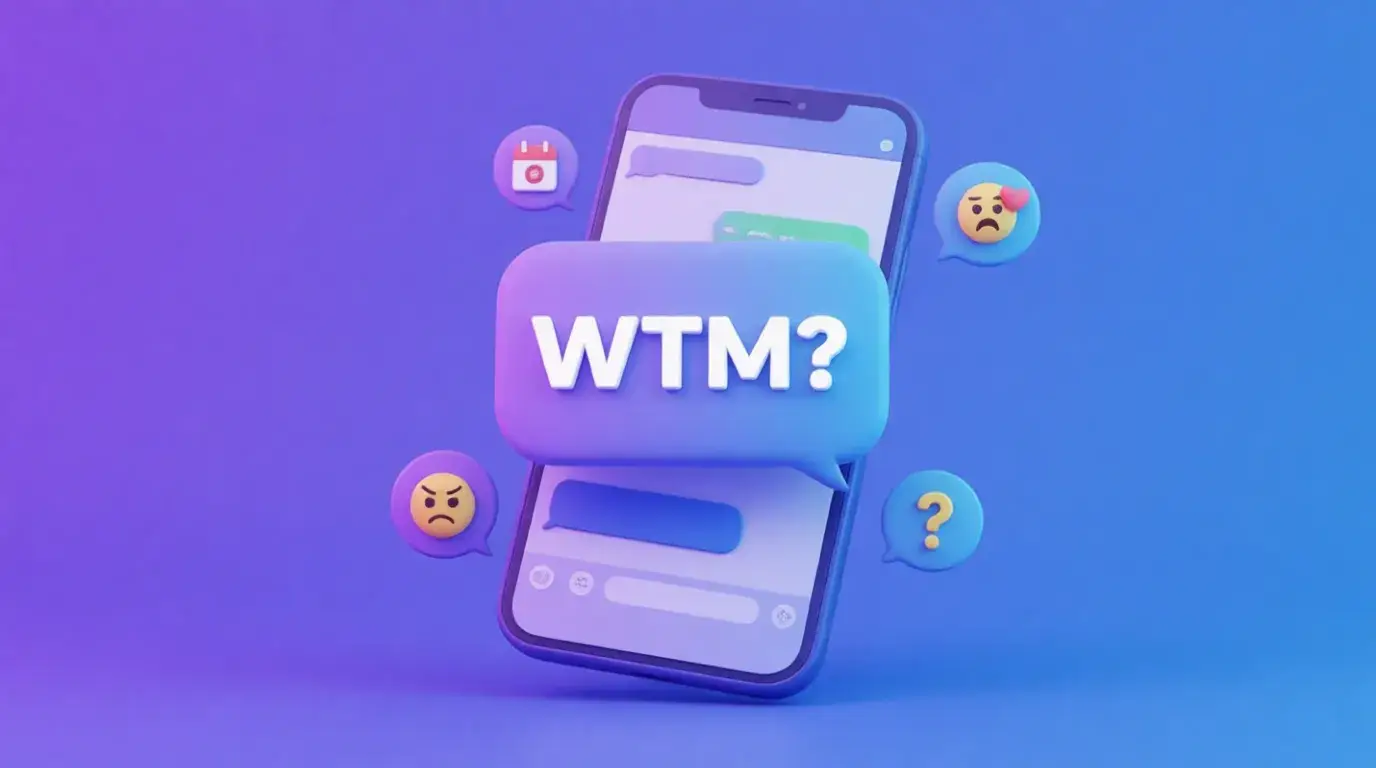
WTM stands for three different phrases in texting. Each one fits different situations. Understanding the context is key.
What’s The Move?
This is the most common meaning. “What’s the move?” asks about plans. It’s casual. It’s friendly. You’re essentially asking, “What are we doing?” or “What’s happening tonight?”
People use this when making plans with friends. Someone texts “WTM tonight?” They want to know your availability. They’re looking to hang out.
Example conversations:
- Friend: “WTM this weekend?”
- You: “Thinking about hitting the beach. You down?”
The phrase fits perfectly in group chats. Everyone wants to know the plan. One person asks “WTM?” and the discussion begins.
What’s The Matter?
This version shows concern. Someone asks “WTM?” when they notice something’s wrong. You seemed upset. Your last message sounded off. They’re checking in.
This usage is less common than “What’s the move?” But it matters more emotionally. It shows someone cares about your wellbeing.
When you’ll see this:
- After sharing bad news
- When your tone seems different
- If you’ve been quiet lately
- After mentioning a problem
The context makes the meaning clear. If you just said something concerning, WTM means “What’s the matter?”
Whatever That Means
This third meaning adds sarcasm or dismissal. It’s the least common usage. People add it after a confusing statement or questionable claim.
Someone makes a weird excuse. You respond with their explanation plus “WTM.” You’re showing skepticism without being direct.
Example:
- “He said he’s too busy to text but posts on Instagram all day, WTM.”
This version often appears at the end of sentences. The other two meanings typically stand alone as questions.
What Does WTM Mean in Texting Across Different Platforms?
Social media platforms give WTM unique flavors. The core meanings stay the same. But usage patterns shift based on where you’re chatting.
WTM on Snapchat
Snapchat users love “What’s the move?” more than other platforms. The app’s spontaneous nature fits perfectly. Friends snap each other asking about real-time plans.
“WTM rn?” (right now) is extremely common. Snapchat encourages immediate responses. Quick back-and-forth conversations happen naturally.
Snapchat-specific usage:
- Often paired with location snaps
- Used in story replies frequently
- Common in group chat planning
- Usually expects fast responses
The ephemeral nature makes WTM ideal. Plans change quickly. Messages disappear. Everything feels current and urgent.
WTM on Instagram
Instagram DMs show a mix of meanings. “What’s the move?” still dominates. But the platform’s professional side sometimes adds formal context.
You might see WTM in comments too. Someone posts a cryptic photo. A friend comments “WTM?” asking for the story behind it.
Instagram usage tends slightly more curated. People might use WTM when discussing events, parties, or meetups they’ll photograph later.
WTM on TikTok
TikTok comments use WTM differently. The “Whatever that means” version appears more often here. Users add sarcasm to wild claims or questionable advice.
TikTok patterns:
- Comments on confusing videos
- Responses to controversial takes
- Skepticism about life hacks
- Questioning creator claims
The platform’s youth culture embraces all three meanings. Comment sections become conversations where WTM flows naturally.
How to Use WTM Correctly in Different Contexts
Context determines everything. The same three letters shift meaning completely based on conversation flow. Here’s how to nail it every time.
Making Plans with Friends
“What’s the move?” shines here. Keep it casual and open-ended. You’re starting a conversation, not demanding an answer.
Best practices:
- Use it in group chats for coordination
- Add specifics if needed: “WTM for dinner?”
- Combine with timeframes: “WTM this Friday?”
- Follow up with suggestions if no one responds
Timing matters too. Asking “WTM?” on Tuesday morning about Tuesday night feels rushed. Friday afternoon about weekend plans? Perfect.
Checking on Someone’s Wellbeing
Switch to “What’s the matter?” carefully. You need genuine concern, not nosiness. The person should feel supported, not interrogated.
When to use this version:
- They mentioned feeling down
- Their messages seem off
- They’ve been unusually quiet
- Something obviously bothered them
Your tone through text matters here. Add context if needed: “You seem upset, WTM?” This clarifies your concern.
Adding Skepticism or Sarcasm
“Whatever that means” requires confidence. You’re challenging something. Make sure your relationship can handle the sass.
This version works best with close friends. They understand your humor. Strangers might take offense.
Effective usage:
- After ridiculous excuses
- Following confusing explanations
- Responding to obvious lies
- Questioning wild claims
Always consider your audience first. Some people appreciate sarcasm. Others feel attacked.
WTM vs Other Popular Text Abbreviations
Understanding related slang helps you communicate better. WTM sits among dozens of common abbreviations. Each serves different purposes.
| Abbreviation | Meaning | Best Used For |
|---|---|---|
| WTM | What’s the move / What’s the matter | Making plans or showing concern |
| WYD | What you doing | Asking about current activity |
| HMU | Hit me up | Requesting contact later |
| LMK | Let me know | Asking for updates or decisions |
| WBU | What about you | Returning questions in conversation |
Notice how WTM and WYD differ slightly. WYD asks about right now. WTM asks about plans or concerns. Both start conversations but with different energy.
Some people confuse WTM with GMFU (got me fucked up). They’re completely different. GMFU expresses frustration or disbelief about a situation.
Similarly, MBN (must be nice) shows envy or sarcasm. These abbreviations create specific tones. Using the wrong one changes your message entirely.
Common Mistakes People Make with WTM
Even frequent texters mess this up. Avoiding these errors keeps conversations smooth and prevents confusion.
Using WTM Without Context
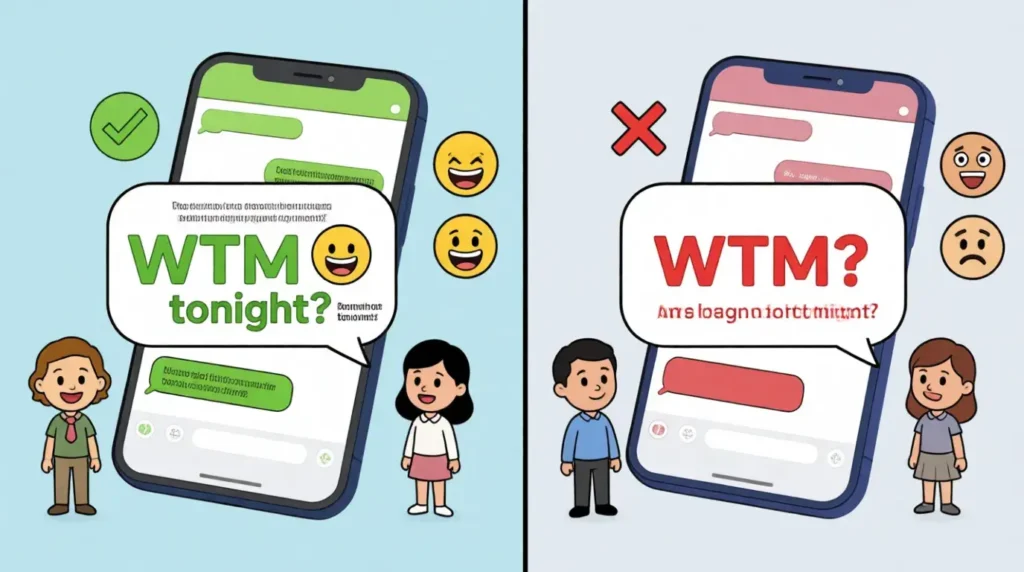
The biggest mistake? Sending just “WTM?” with zero context. Your friend doesn’t know which meaning you intend. They might answer the wrong question entirely.
Better approach:
- Bad: “WTM?”
- Good: “WTM for tonight?”
- Good: “You seemed sad earlier, WTM?”
Those extra words eliminate confusion. They show which meaning you’re using.
Mixing Up the Tone
“What’s the matter?” requires gentleness. “What’s the move?” stays casual. “Whatever that means” brings attitude. Confusing these creates awkward moments.
Someone shares exciting news. You respond “WTM?” meaning to ask about celebration plans. They think you’re questioning their enthusiasm. Oops.
Overusing the Abbreviation
Texting “WTM?” in every conversation gets old fast. Save it for appropriate moments. Not every plan discussion needs this exact phrase.
Variety keeps things interesting:
- “What are you thinking for tonight?”
- “Any plans this weekend?”
- “Want to grab food later?”
These alternatives feel more personal. They show effort beyond three letters.
Forcing it in Professional Settings
WTM belongs in casual conversations. Your boss texts about a meeting? Don’t reply “WTM?” Use full sentences. Show professionalism.
Professional alternatives:
- “What would you like to discuss?”
- “Is everything alright?”
- “Could you clarify that point?”
Save slang for friends and peers. Adjust your language based on who’s reading.
How Different Generations Use WTM
Age groups text differently. Understanding these patterns helps you communicate across generations effectively.
Gen Z Dominates WTM Usage
Gen Z invented most modern text slang. They use WTM constantly and fluently. All three meanings flow naturally in their conversations.
They switch between meanings seamlessly. Context clues happen automatically. They rarely experience confusion around WTM.
Gen Z characteristics:
- Use WTM multiple times daily
- Understand all three meanings instantly
- Mix with other abbreviations freely
- Create new variations constantly
Millennials Adopted It Second
Millennials learned WTM from younger people. They primarily stick with “What’s the move?” The other meanings see less use.
Many millennials still prefer full sentences sometimes. They’ll mix WTM with traditional texting. This creates a hybrid style.
Older Generations Stay Confused
Gen X and Boomers often don’t know WTM at all. When they see it, they might ask for clarification. That’s perfectly normal.
If texting older relatives or colleagues, spell things out. Don’t assume they’ve learned recent slang terms.
Regional and Cultural Variations of WTM
Location influences how people use text slang. WTM appears globally but with interesting differences.
American Usage Patterns
Americans use “What’s the move?” most frequently. It’s deeply embedded in youth culture. Hip-hop and rap music popularized the phrase.
Urban areas show higher usage rates. Coastal cities like New York and Los Angeles lead the trend. Smaller towns adopt slang more slowly.
UK and Australian Adaptations
British and Australian texters use WTM less frequently. They have their own equivalent phrases. “What’s the plan?” or “What’s happening?” appear more often.
When they do use WTM, it’s usually “What’s the move?” The sarcastic “Whatever that means” rarely appears in UK texts.
International Adoption
Non-English speaking countries adopt WTM when texting in English. It’s become somewhat universal among young, bilingual internet users.
However, they might create their own language-specific alternatives. Spanish speakers might say “QHP” (Qué hay pa’ hacer). French users stick to full phrases.
The Evolution of WTM in Digital Communication
Text slang constantly evolves. WTM’s journey shows how digital language develops and spreads.
Origin Story
“What’s the move?” emerged from urban slang around 2010. It moved from spoken language to text naturally. Young people simply abbreviated what they already said aloud.
Social media accelerated its spread. Twitter’s character limits encouraged abbreviations. Snapchat’s quick messaging made short phrases essential.
Current Trends
Today, WTM appears in memes, tweets, and TikTok videos. It’s transcended simple texting. You’ll see it in captions, comments, and video overlays.
Current usage statistics:
- Millions of daily uses across platforms
- Primarily ages 13-30
- Growing in mainstream recognition
- Appearing in online marketing
Brands now use WTM to seem relatable. This often backfires. Forced slang from corporations feels inauthentic.
Future Predictions
Will WTM stay relevant? Most text slang has a 5-10 year lifespan. New generations create their own terms. They want distinction from predecessors.
WTM has staying power though. It’s versatile and, it’s simple. It’s already widespread. Expect it to remain common for several more years.
Frequently Asked Questions
What does WTM mean from a girl?
When a girl texts WTM, it usually means “What’s the move?” She’s asking about plans or what you’re doing. The meaning doesn’t change based on gender. Context matters more. If she seems concerned about you, it might mean “What’s the matter?” Read the conversation to determine which meaning fits best.
What does WTM mean from a guy?
Guys typically use WTM to mean “What’s the move?” when making plans with friends. It’s casual and straightforward. They’re asking about activities or coordinating hangouts. Less commonly, a guy might use it to check if something’s bothering you. The conversation context will make the intended meaning clear.
What does WTM mean in text message slang?
In text slang, WTM primarily means “What’s the move?” It’s a casual way to ask about plans or activities. The second meaning is “What’s the matter?” when someone seems upset. The third, less common meaning is “Whatever that means,” expressing skepticism. All three versions depend heavily on conversation context.
How do you respond to WTM on Snapchat?
Respond based on context. If they’re asking about plans, suggest an activity or say you’re free. Example: “Not sure yet, maybe grab food?” If they’re concerned about you, address what’s bothering you or say you’re okay. Keep responses casual and quick. Snapchat conversations move fast.
Is WTM considered rude or inappropriate?
WTM isn’t rude in casual conversations with friends. It’s standard text slang. However, avoid it in professional settings or with people you don’t know well. Using “Whatever that means” sarcastically can sound dismissive, so save that version for close friends who understand your humor.
What’s the difference between WTM and WYD?
WYD means “What you doing?” and asks about current activities right now. WTM means “What’s the move?” and asks about plans or future activities. WYD is present-focused. WTM is future-focused. Both are casual, but they serve different conversational purposes. Choose based on whether you’re asking about now or later.
Conclusion
What does WTM mean? Now you know it’s not just one answer. “What’s the move?” helps you make plans effortlessly. “What’s the matter?” shows genuine concern for others. “Whatever that means” adds personality through skepticism.
The key is reading context correctly. Watch the conversation flow. Notice what came before. Consider your relationship with the person. These clues reveal the intended meaning instantly.
Stop second-guessing yourself in text conversations. Use WTM confidently when making plans with friends. Check in on people when they seem off. Add sarcasm sparingly with close friends who get your humor.
Text slang evolves constantly, but WTM has staying power. Master it now and you’ll communicate more naturally across social platforms.
Your next step? Try using WTM in your next group chat when coordinating plans. See how naturally it fits. You’ll wonder why you ever typed out the full question.