What Does JFC Mean? A Complete Guide to This Popular Internet Slang
“What does JFC mean?” – you’ve probably seen it pop up in texts or social media.
Maybe someone replied with JFC to your message. Or you spotted it in a heated Twitter thread. You’re not alone in wondering what it stands for.
JFC is internet slang that’s everywhere these days. It shows up in texts, Instagram comments, and Facebook posts. Understanding it helps you navigate online conversations better.
This guide breaks down everything about JFC. You’ll learn what it means, when to use it, and where it appears most. We’ll cover the different platforms, appropriate contexts, and alternatives. By the end, you’ll use JFC like a digital native.
Let’s dive in.
What Does JFC Mean? The Direct Definition
JFC stands for “Jesus Fucking Christ.”
It’s an expression of extreme frustration or disbelief. People use it when something shocks, annoys, or disappoints them. The phrase intensifies the original religious exclamation.
Think of it as a digital eye-roll. It conveys strong emotions quickly. Just three letters pack a powerful punch.
Why People Use JFC
Internet culture loves abbreviations. JFC saves time and typing effort. It also softens profanity through letters instead of full words.
The acronym works across platforms. It’s recognizable in texts, tweets, and comments. Most people under 40 know what it means instantly.
The Emotional Weight Behind JFC
JFC isn’t casual like “lol” or “brb.” It carries serious emotional weight. You use it when genuinely frustrated or shocked.
Common triggers include:
- Someone’s ridiculous behavior
- Unbelievable news or events
- Repeated mistakes or problems
- Absurd situations that test patience
The intensity makes it powerful but risky. Context matters tremendously.
What Does JFC Mean in Text and Texting?
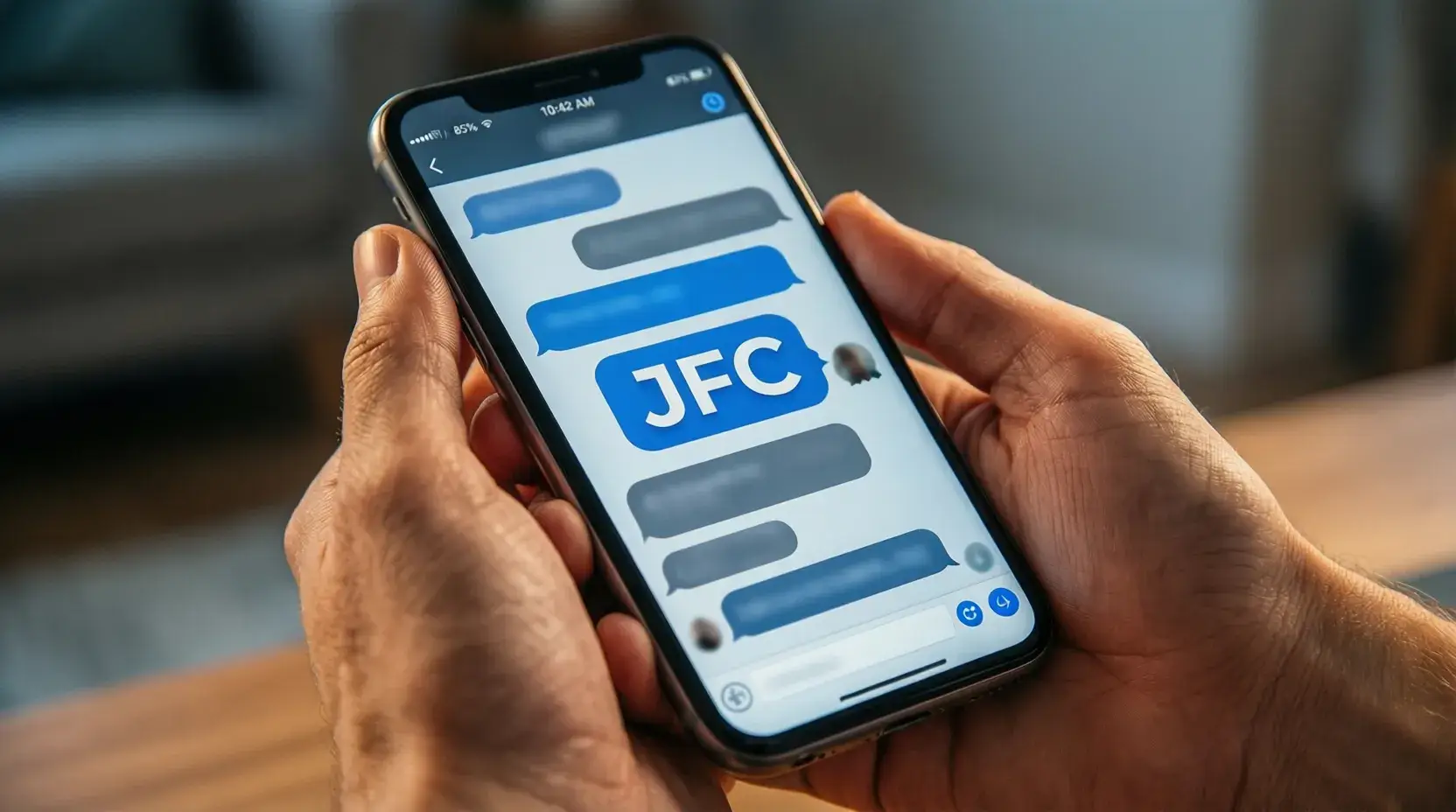
In texting, JFC expresses strong negative emotions without typing profanity.
Your friend cancels plans last minute again? JFC. Your coworker makes the same mistake for the fifth time? JFC. The acronym communicates frustration instantly.
How JFC Appears in Text Messages
Text conversations move fast. JFC keeps pace with that speed. Here’s how it typically shows up:
Example 1:
- Friend: “I forgot my wallet at home again”
- You: “JFC, that’s the third time this week”
Example 2:
- Coworker: “The meeting got moved to 7 AM tomorrow”
- You: “JFC, are you serious?”
Notice the pattern? JFC usually starts responses. It sets the emotional tone immediately.
JFC vs Other Text Acronyms
How does JFC compare to similar expressions? Let’s break it down:
| Acronym | Meaning | Intensity Level | Best Used For |
|---|---|---|---|
| JFC | Jesus Fucking Christ | Very High | Extreme frustration |
| WTF | What The F*** | High | Confusion/shock |
| OMG | Oh My God | Medium | Surprise |
| SMH | Shaking My Head | Low-Medium | Disappointment |
| IKR | I Know Right | Low | Agreement |
JFC sits at the top intensity-wise. Use it sparingly for maximum impact.
The Origins and Evolution of JFC Slang
Every acronym has a story. JFC emerged from internet culture in the early 2000s.
Where JFC Started
Online forums birthed most internet slang. Gaming communities and chat rooms popularized JFC first. Players needed quick ways to express frustration during intense moments.
The phrase “Jesus Christ” existed for centuries. Adding profanity intensified the expression. Converting it to JFC made it internet-friendly.
How JFC Spread Across Platforms
Social media accelerated JFC’s popularity. Twitter’s character limits favored short expressions. Instagram comments embraced the brevity. Facebook adopted it too.
Urban Dictionary entries from 2005 show early JFC usage. By 2010, it was mainstream among younger users.
When and How to Use JFC Properly
JFC works best in informal digital conversations with friends.
Timing matters as much as context. Here’s your practical guide.
Appropriate Situations for JFC
Use JFC when:
- Texting close friends who understand your humor
- Responding to genuinely absurd situations
- You need to express strong frustration quickly
- The relationship allows casual profanity
Real-world example: Your roommate leaves the door unlocked for the tenth time. Texting “JFC, seriously?” makes sense here.
When to Avoid JFC
Skip JFC in these contexts:
- Professional work communications
- Conversations with parents or authority figures
- First interactions with new people
- Religious or formal settings
- Public posts on professional profiles like LinkedIn
The JFC Usage Formula
Follow this simple approach:
- Assess your relationship with the recipient
- Consider the platform you’re using
- Gauge the situation’s severity
- Choose JFC only if all three align
This formula prevents awkward misunderstandings.
What Does JFC Mean on Different Social Media Platforms
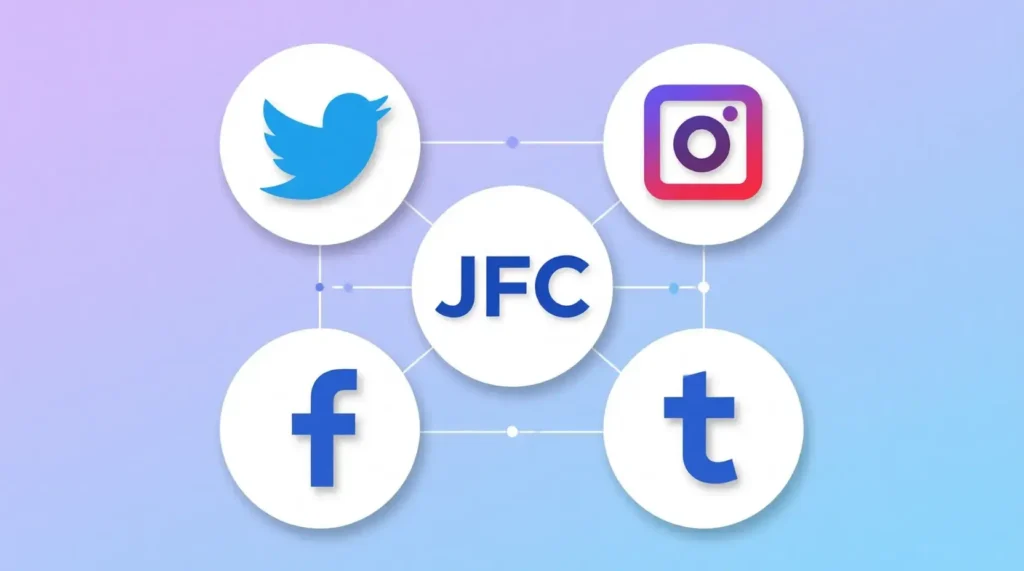
The meaning stays consistent, but usage varies by platform.
What Does JFC Mean on Twitter
Twitter embraced JFC early. The platform’s fast-paced nature suits quick reactions. Users drop JFC in replies to trending topics.
Common Twitter JFC scenarios:
- Political news that’s shocking
- Celebrity drama updates
- Breaking news developments
- Viral fails or mistakes
Twitter allows more casual language. JFC fits the platform’s tone perfectly.
What Does JFC Mean on Instagram
Instagram comments use JFC less frequently. The visual platform focuses on images and videos. But when someone posts something outrageous? JFC appears in comments.
It’s typically:
- Reactions to wild stories
- Responses to dramatic posts
- Comments on ridiculous fails
What Does JFC Mean on Facebook
Facebook’s older demographic means careful JFC usage. Similar to MBN, some acronyms confuse certain age groups.
Younger Facebook users text JFC freely. Older users might not recognize it. Consider your audience before posting.
What Does JFC Mean on Tumblr
Tumblr practically invented modern internet slang culture. JFC thrives here. The platform’s informal, expressive community uses it constantly.
Tumblr users employ JFC for:
- Fandom drama reactions
- Reblog commentary
- Expressing frustration with current events
- Humorous exaggeration
The platform’s culture makes JFC extremely common.
JFC Alternatives: Similar Expressions You Should Know
Not every situation calls for JFC’s intensity. Here are alternatives:
Milder Options
When JFC feels too strong, try:
- OMG (Oh My God) – General surprise
- SMH (Shaking My Head) – Mild disappointment
- Bruh – Casual disbelief
- FR (For Real) – Emphasizing seriousness
- NP – More neutral responses
Stronger Alternatives
Need more intensity than JFC? Consider:
| Expression | When to Use | Platform Best For |
|---|---|---|
| WTF | Immediate shock | All platforms |
| GTFO | Disbelief/rejection | Casual texts |
| GMFU | Someone annoying you | Text messages |
| Holy sh*t | Extreme surprise | Close friends |
Match your expression to the situation’s intensity.
Platform-Specific Slang
Different platforms have unique expressions:
- TikTok: “I’m done” or “not this”
- Discord: Custom emojis often replace text
- Snapchat: Visual reactions dominate over text
- Reddit: Varies by subreddit culture
Understanding LWK and other acronyms like IMK helps you navigate each platform better.
Is Using JFC Appropriate? Context and Etiquette
JFC contains profanity, so context determines appropriateness.
Let’s establish clear guidelines.
The Profanity Factor
JFC abbreviates a curse word. Even abbreviated, it’s still profanity. Some people find it offensive regardless of format.
Consider:
- Religious sensitivities – Many find JFC disrespectful
- Cultural differences – Attitudes toward profanity vary
- Professional consequences – Screenshots exist forever
- Relationship dynamics – Not everyone appreciates cursing
Age and Generational Differences
Younger generations (Gen Z, Millennials) use JFC commonly. Older generations might:
- Not understand the acronym
- Find it inappropriate
- React negatively to profanity
Pro tip: When uncertain, choose a milder alternative. Similar to WYLL, gauge your audience first.
Professional vs Personal Use
Here’s a clear breakdown:
| Setting | JFC Appropriate? | Alternative |
|---|---|---|
| Group chat with friends | Yes | N/A |
| Family group text | Depends on family | OMG, Seriously? |
| Work Slack/Teams | No | “This is frustrating” |
| Professional email | Absolutely not | Formal language |
| Dating app conversation | Risky | Wait until rapport built |
| Social media public post | Consider carefully | Depends on brand |
Your digital footprint matters. Choose wisely.
Common Misunderstandings About JFC
People often confuse JFC with other acronyms.

Let’s clear up the confusion.
JFC vs JC
JC typically means “Just Checking” or “Jesus Christ” without profanity. JFC adds intensity through the middle word.
Don’t mix them up. The meanings differ significantly.
Is JFC Always Negative?
Mostly yes, but context creates exceptions. Sometimes people use JFC with humor:
- Self-deprecating jokes
- Exaggerated reactions for comedy
- Ironic commentary
Like DTM, tone makes the difference.
Can JFC Be Positive?
Rarely. JFC occasionally expresses overwhelming positive surprise. Example: “JFC, you actually did it!” But this usage is uncommon.
Stick with negative contexts for clarity.
Frequently Asked Questions
What does JFC mean in texting?
JFC means “Jesus Fucking Christ” in texting. It expresses strong frustration, shock, or disbelief. People use it when something really annoys them or surprises them negatively. The acronym lets you convey intense emotions without typing profanity fully. It’s common among friends in casual text conversations.
What does JFC mean on social media like Instagram and Twitter?
JFC maintains the same meaning across all platforms – “Jesus Fucking Christ.” On Instagram and Twitter, people use it to react to posts, news, or comments that frustrate them. Similar to TIL, platform context shapes usage slightly. Twitter users employ it more frequently due to the platform’s fast-paced nature.
Is JFC appropriate to use in professional settings?
No, JFC is not appropriate for professional settings. It contains profanity and appears unprofessional in work communications. Avoid using it in emails, Slack messages, or any work-related platforms. Save JFC for casual conversations with friends only. Professional environments require more formal language and expressions.
What does JFC mean in slang compared to other acronyms?
JFC ranks among the strongest internet slang acronyms emotionally. It’s more intense than OMG or SMH but similar to WTF in impact. The slang specifically targets situations causing extreme frustration or disbelief. Unlike neutral acronyms, JFC always carries emotional weight. Understanding this intensity prevents miscommunication.
Can older people or parents understand what JFC means?
Many older adults don’t recognize JFC immediately. Unlike mainstream acronyms like LOL, JFC remains more niche. Parents might need explanation if they encounter it. The profanity factor also makes it awkward to explain. Consider using clearer alternatives when texting older generations for better communication.
What are better alternatives to JFC in texting?
Better alternatives include OMG (Oh My God), SMH (Shaking My Head), or simply “Seriously?” These options express frustration without profanity. You can also use “Are you kidding me?” or “No way” for clearer communication. Choose based on your relationship with the recipient and situation intensity. Milder options prevent potential offense.
Conclusion
Understanding what JFC means empowers better digital communication. The acronym stands for “Jesus Fucking Christ” and expresses intense frustration or disbelief.
You’ve learned when to use it appropriately. Casual texts with friends? Go ahead. Professional settings or formal conversations? Absolutely skip it. Platform matters too – Twitter and Tumblr embrace it more than LinkedIn ever would.
Remember these key points:
- JFC carries strong emotional weight
- Context determines appropriateness
- Alternatives exist for different situations
- Consider your audience before using it
Start paying attention to JFC in your daily scrolling. Notice when others use it and the contexts involved. This awareness sharpens your digital literacy.
Use this knowledge to communicate more effectively online. Express yourself authentically while respecting boundaries. That’s the real power of understanding internet slang.
Now go forth and text with confidence. Just remember – with great acronyms comes great responsibility.