
What Does Nonce Mean in UK? The Complete Guide to This British Slang
What does nonce mean in UK is a question that confuses many people, especially those new to British culture. You’ve probably heard it in a TV show, overheard it on the street, or seen it online. And you’re not sure if it’s funny, offensive, or just harmless slang. That confusion is completely valid. This word carries very different weight depending on the context. In this guide, you’ll get the full picture — the history, the modern meaning, the legal weight, and why you need to be careful using it.
Let’s break it all down.
What Does Nonce Mean in UK? The Core Definition
The word nonce in the UK has two very distinct meanings. One is old and technical. The other is modern and deeply offensive.
In modern British slang, a nonce refers to a sex offender — specifically a child sexual abuser or paedophile. This is the meaning most British people understand today. It’s a serious insult. Using it casually can cause real offence.
The word is widely used in British prisons. Inmates use it to label those convicted of sexual crimes against children. It carries enormous social stigma behind bars. Being called a nonce in prison is dangerous. It marks someone as a target.
The Two Meanings Side by Side
| Context | Meaning |
|---|---|
| Modern British Slang | A sex offender or paedophile |
| Cryptography / Technical Use | A number used only once in security protocols |
| Archaic British Dialect | Meaning “the one purpose” or “for the nonce” (for now) |
The technical meaning is completely unrelated. You’ll see it in cybersecurity discussions. Developers use “nonce” to describe a one-time code. It has nothing to do with the slang usage.
Why the Confusion Exists
Many non-British people encounter the word online and misread it. They assume it’s mild slang. It is not. In the UK, calling someone a nonce is a severe accusation. It implies criminal behaviour. You’d never use it lightly.
What Does Nonce Mean in UK Slang? A Deeper Look
What does nonce mean in UK slang goes beyond a simple definition. It’s about understanding British social culture.
The word became common in working-class British communities. It spread through prison culture in the 1970s and 80s. Over time, it moved into everyday street slang. Today, younger people sometimes use it loosely. They might call someone a “nonce” to mean they’re being creepy or weird. But even that watered-down usage carries the shadow of the original meaning.
How It’s Used in Everyday Speech
Here are some real-world usage examples:
- “He’s a proper nonce.” — This means someone is genuinely suspected of or convicted of sexual offences against children.
- “Stop being a nonce.” — Used loosely among teens, this might mean “stop being weird or creepy.” Still offensive.
- “That guy’s giving off nonce vibes.” — Slang for someone acting suspiciously around children.
None of these are casual or harmless uses. Even the lighter versions carry heavy connotations.
Regional Variations Across the UK
The word is used throughout England, Scotland, and Wales. Intensity varies slightly by region.
| Region | Common Usage Level |
|---|---|
| London | Very common, especially in urban slang |
| Manchester | Frequent use in casual and prison contexts |
| Scotland | Used but slightly less prevalent |
| Wales | Known but less commonly used |
The word crosses regional dialects. Its meaning stays consistent, though.
What Does Nonce Mean in UK Oxford Dictionary?
What does nonce mean in UK Oxford dictionary entries reveal both sides of the word clearly.
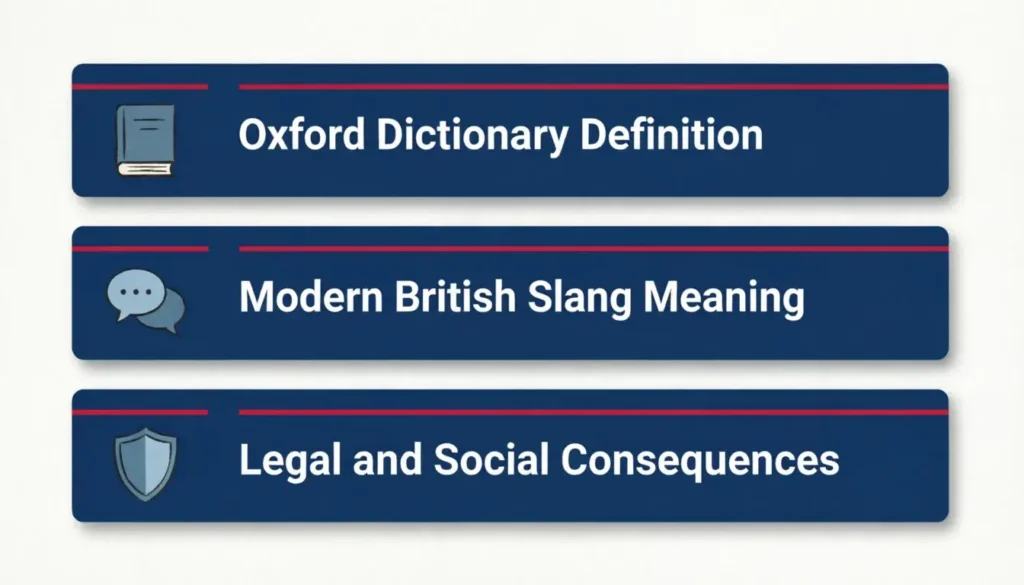
The Oxford English Dictionary lists two separate definitions. The first is the archaic one: “for the nonce” meaning “for the occasion” or “for the time being.” This usage dates back to Middle English. It appears in literature from the 14th century onward.
The second is the modern slang definition. Oxford defines it as British informal, derogatory: a sexual offender, especially one who abuses children. The dictionary flags it as offensive and derogatory. That’s significant. When a dictionary warns you, pay attention.
The Etymology of the Word
The archaic “nonce” comes from a Middle English phrase “then anes” — meaning “for the one purpose.” Over centuries, the phrase morphed. Eventually “nonce” stood alone. Writers like Chaucer used variations of it.
The slang meaning’s origin is less clear. Some linguists trace it to prison terminology. Others suggest it may derive from “non-se” (non-sexual) used sarcastically. The exact root is disputed. But the modern meaning is not.
Why the Oxford Definition Matters
Knowing the Oxford definition helps in several ways:
- It confirms the word is officially recognised as offensive
- It draws a line between historical and modern usage
- It shows the word has legitimate non-offensive roots
- It prevents misuse based on ignorance
Understanding etymology doesn’t excuse misuse. But it helps you navigate conversations with confidence.
The Prison Culture Connection
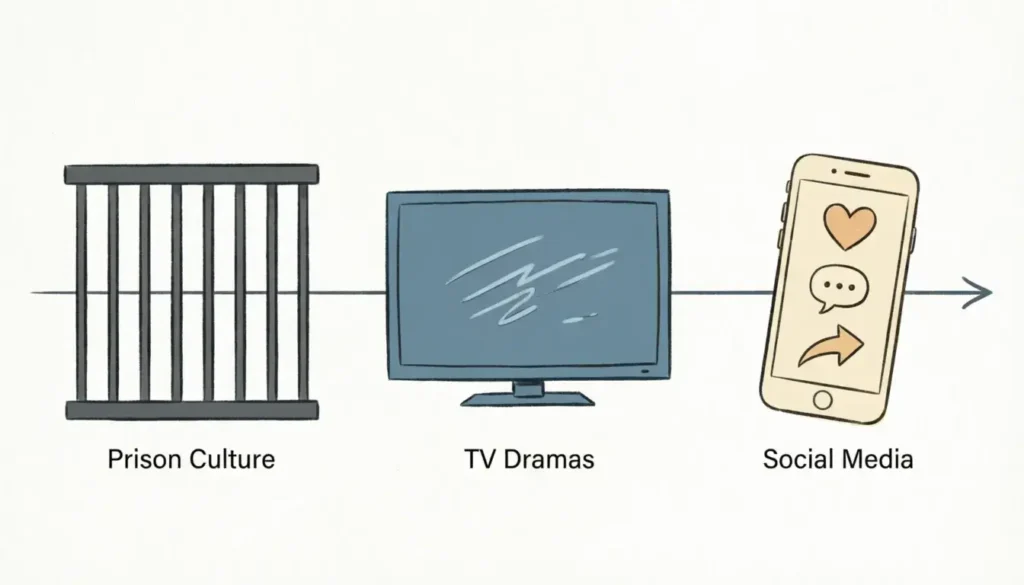
British prison slang shaped much of modern UK street language. The word nonce is a prime example.
In UK prisons, inmates are separated by offence type informally. Those convicted of sexual offences against children face the harshest treatment from other prisoners. They’re labelled nonces. They’re often housed in protective custody units called “Rule 43” or “VP wings” (Vulnerable Prisoner wings).
This prison culture context explains why the word carries such weight. It’s not just an insult. It’s a social classification with real consequences.
How Prison Language Entered Public Use
British TV dramas played a huge role. Shows like Porridge, Bad Girls, and later Peaky Blinders and gritty crime dramas brought prison slang into living rooms. Viewers picked up the language. It filtered into everyday speech.
Social media accelerated this process. Twitter, TikTok, and YouTube comment sections spread slang at lightning speed. What was once confined to prison yards is now global British internet slang.
Just like learning what does NP mean helps you decode casual online chat, understanding nonce helps you navigate British internet culture without putting your foot in it.
Is It Ever Okay to Use the Word Nonce?
This is a fair question. And the honest answer is: rarely, and only with full awareness of what you’re saying.
Some British comedians use it. Some social commentators use it when discussing real criminal cases. Journalists write it in crime reporting. These are contexts where the word serves a direct, truthful purpose.
Casual or joking use is different. Calling someone a nonce as a laugh risks several things:
- Offending people who have been victims of abuse
- Making false accusations that could harm someone’s reputation
- Escalating conflict, especially in certain communities
- Legal consequences in some contexts (defamation)
When It Becomes a Legal Issue
In the UK, falsely accusing someone of being a paedophile can constitute defamation. If you publicly call someone a nonce and you’re wrong, you could face legal action. This has happened. Public figures have sued over exactly this kind of accusation.
The word isn’t just socially loaded. It has legal teeth.
Nonce vs Other British Insults: A Comparison
British slang is rich, layered, and often confusing from the outside. Understanding how nonce compares to other terms helps put it in perspective.
| Word | Severity | Meaning | Usage |
|---|---|---|---|
| Nonce | Extremely severe | Paedophile / sex offender | Serious accusation |
| Muppet | Mild | Idiot or foolish person | Playful insult |
| Div | Mild | Silly person | Casual, mostly harmless |
| Bellend | Moderate | Unpleasant or stupid person | Common but rude |
| Grass | Moderate | Someone who informs on others | Prison/street culture |
Nonce sits at the extreme end of British insult culture. It’s not in the same league as “muppet” or “div.” Treat it accordingly.
Just as you’d want to know what does JFC mean before using it in conversation, understanding nonce saves you from serious social missteps.
How Non-British People Get It Wrong
This is where many people run into trouble. Especially Americans, Australians, and others exposed to British content.
Common mistakes:
- Assuming it means something mild or funny
- Using it in gaming chat without realising the impact
- Repeating it after hearing it in a British show without context
- Using it in workplace settings as a joke
The internet has globalised British slang fast. But the nuance doesn’t always travel with it. Words like what does SMD mean or what does WTW mean have evolved online meanings. Nonce hasn’t softened in the same way.
What to Do if You’ve Already Used It Wrongly
Don’t panic. Acknowledge it. If you used it without knowing the meaning, say so. Most people will understand. Ignorance isn’t malice. But now you know, act accordingly.
Nonce in Cybersecurity: A Completely Different World
Let’s briefly cover the technical meaning. Because if you’re a developer or security professional, you need to know this usage too.
In cryptography and cybersecurity, a nonce is a number used only once. It’s a random or pseudo-random value generated for a specific session or transaction. It prevents replay attacks. It ensures each encrypted communication is unique.
You’ll see it in:
- SSL/TLS protocols for secure web connections
- Authentication systems to prevent repeated login attempts
- Blockchain transactions as part of mining algorithms
- API security to prevent duplicate requests
This usage has nothing offensive about it. It’s purely technical. Context makes it entirely clear which meaning applies.
If someone in a cybersecurity forum says “generate a nonce,” they’re talking code. Not insults.
Frequently Asked Questions
What does nonce mean in UK slang exactly?
In UK slang, nonce refers to a paedophile or sex offender. It originated in British prison culture. Today it’s used broadly as one of the most serious insults in British English. Even loose usage carries heavy connotations. Never use it without understanding the full weight of what you’re saying.
What does nonce mean in UK Oxford dictionary?
The Oxford English Dictionary defines nonce as British informal, derogatory for a sexual offender, especially one who abuses children. It also lists the archaic meaning “for the nonce,” meaning for the time being. The dictionary explicitly flags the slang usage as offensive and derogatory.
Is it illegal to call someone a nonce in the UK?
It’s not a crime in itself. However, falsely calling someone a nonce in public can constitute defamation. You could face a civil lawsuit. In some contexts — like online harassment — it could contribute to a criminal harassment or malicious communications charge. Always think before using the word.
Can nonce mean something harmless?
The archaic meaning is harmless — “for the nonce” simply means “for now.” The technical cybersecurity meaning is also neutral. But in everyday modern British usage, the slang meaning dominates. Assume it’s offensive unless you’re clearly in a technical or historical context.
Why do British people use nonce so casually sometimes?
Younger generations sometimes use it loosely to mean “creepy” or “weird.” This is a watered-down usage. But it still reflects the original meaning. It’s never truly casual. It always carries the shadow of the original prison slang definition, even when used carelessly.
How is nonce different from other British insults?
Unlike mild insults like “muppet” or “div,” nonce is an extremely serious accusation. It implies criminal behaviour. It carries legal and social consequences. It’s in the same tier as the most severe insults in British culture. Understanding this distinction matters enormously.
Conclusion
Understanding what does nonce mean in UK isn’t just about knowing a definition. It’s about navigating British culture safely and respectfully. You now know the word carries two very different meanings — an innocent archaic phrase and an extremely offensive modern slang term. The modern slang dominates in almost every real-world situation. Use that knowledge to avoid serious social and even legal mistakes.
The key takeaways are simple. The word is a severe insult. It has roots in prison culture. The Oxford dictionary confirms its offensive status. And misusing it — even innocently — has real consequences.
You might also want to explore other commonly misunderstood terms. Knowing what does OFC mean, what does KMS mean, what does rizz mean, what does FYM mean, and what does GMFU mean helps you communicate confidently in modern British and internet slang without putting your foot in it.
Now you know. Use the knowledge wisely.