Purple Ribbon Meaning: Complete Guide to Awareness Colors and Causes
Purple ribbon meaning goes far beyond simple decoration. Many people see these colorful symbols and wonder what they represent. The truth is, each shade carries a powerful message about health, awareness, and community support.
Ribbons come in dozens of colors and combinations. Each one represents a different cause or condition. Purple ribbons specifically connect to several important health conditions and social movements. From cancer awareness to mental health advocacy, these ribbons tell vital stories.
Understanding what these symbols mean helps you support the right causes. It shows respect for those affected by serious conditions. Plus, it allows you to participate meaningfully in awareness campaigns.
In this guide, you’ll discover exactly what different purple ribbons represent. You’ll learn about specific health conditions, awareness months, and how to use these symbols properly. By the end, you’ll know which ribbon matches which cause and why it matters. Just like understanding common slang terms, knowing ribbon meanings helps you communicate better with your community.
What Purple Ribbons Represent
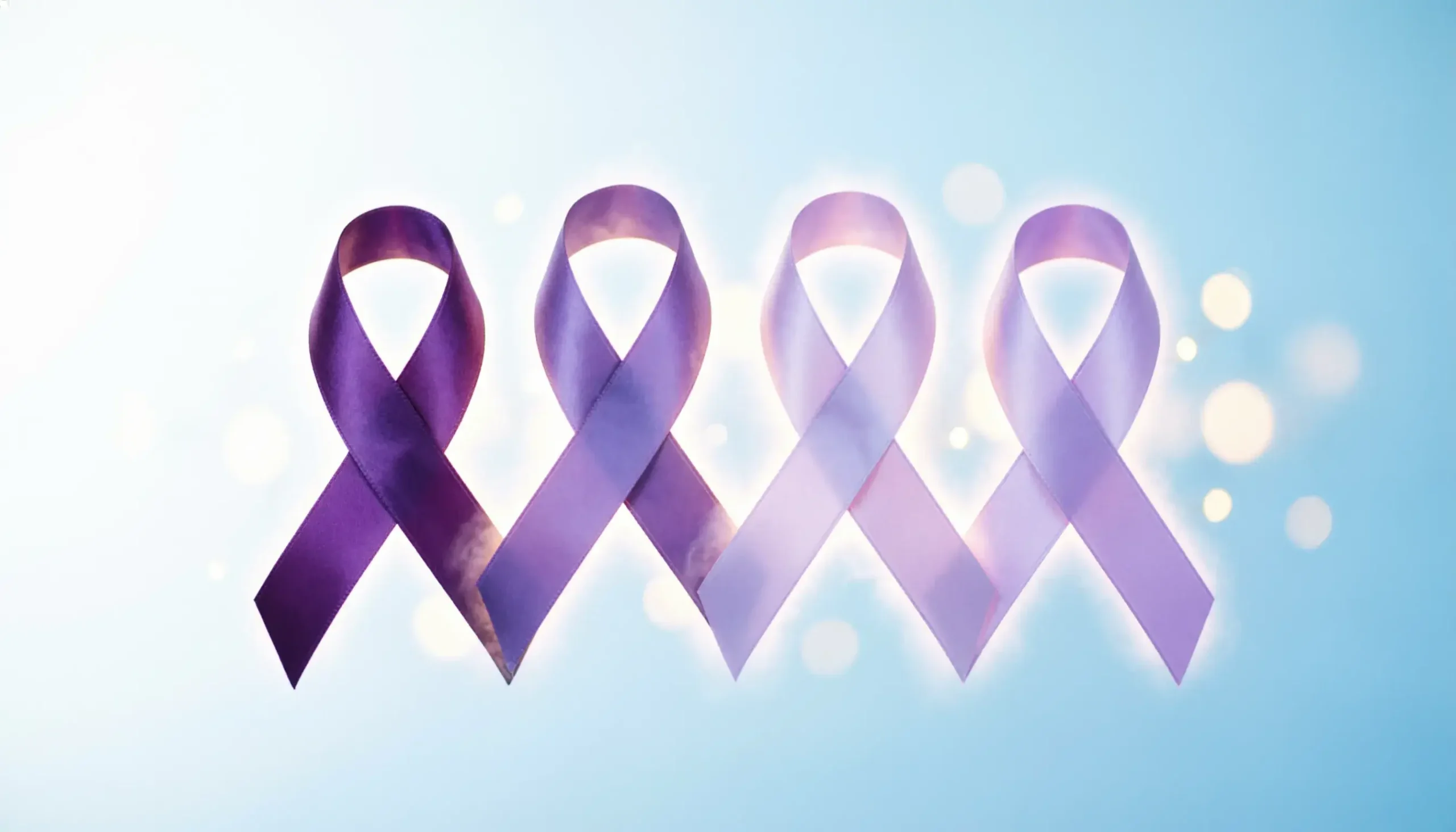
Purple ribbons symbolize multiple important causes. They’re not just one-size-fits-all awareness tools. Each specific shade communicates a different message to those who understand the color code.
The most common purple ribbon meaning connects to pancreatic cancer awareness. This disease affects thousands annually and needs more research funding. The deep purple shade became its symbol in 1999.
Beyond cancer, purple ribbons represent domestic violence awareness. Alzheimer’s disease also uses this color. Epilepsy, lupus, and fibromyalgia communities adopted purple too. The color choice wasn’t random—purple historically represents dignity and courage.
Primary Purple Ribbon Causes
- Pancreatic cancer awareness campaigns – November is designated awareness month
- Domestic violence prevention – October focuses on this critical issue
- Alzheimer’s disease support – Affects millions of families worldwide
- Epilepsy awareness and education – Reducing stigma through visibility
Similar to how people ask what does JFC mean to understand online expressions, many search for ribbon meanings to grasp awareness symbols.
Why Purple Was Chosen
Purple carries deep symbolic meaning across cultures. Historically, it represented royalty and nobility. The color also signifies spirituality and transformation in many traditions.
For cancer awareness, purple combines red’s energy with blue’s stability. This creates a color of hope and strength. Domestic violence advocates chose purple to represent courage and survival.
The shade matters significantly. Light purple indicates different conditions than dark purple. Understanding these nuances helps you show proper support for specific causes.
Purple Ribbon Meaning Cancer
Cancer purple ribbon meaning specifically relates to pancreatic cancer. This deadly disease has a low survival rate. Early detection remains extremely challenging, making awareness crucial.
Pancreatic cancer symptoms often appear late in disease progression. Weight loss, jaundice, and abdominal pain signal advanced stages. November serves as Pancreatic Cancer Awareness Month globally.
Wearing purple in November shows solidarity with patients and families. It also helps fundraise for research initiatives. Organizations like the Pancreatic Cancer Action Network lead these efforts.
Pancreatic Cancer Statistics
The numbers tell a sobering story. Pancreatic cancer ranks fourth in cancer deaths in America. Only 12% of patients survive five years after diagnosis.
Over 66,000 Americans receive this diagnosis annually. Risk factors include smoking, diabetes, and family history. Age plays a role—most patients are over 65.
Research funding lags behind other cancers. This explains the low survival rates. Purple ribbon campaigns aim to change this by raising awareness and funds.
Other Cancer-Related Purple Ribbons
Purple appears in other cancer awareness campaigns too. Testicular cancer uses a purple ribbon alongside other colors. Some childhood cancer organizations incorporate purple in their symbols.
The dark purple ribbon meaning leans toward pancreatic cancer specifically. Light purple might represent general cancer support or related causes. Context and accompanying text clarify the specific message. Understanding these distinctions shows the same attention to detail as learning what SMD means in different contexts.
Purple Cancer Ribbon Guide
| Cancer Type | Ribbon Color | Awareness Month |
| Pancreatic Cancer | Dark Purple | November |
| Testicular Cancer | Purple/Orchid | April |
| General Cancer Support | Lavender | All Months |
Blue and Purple Ribbon Meaning Awareness
Blue and purple ribbon meaning connects to multiple causes. Color combinations expand the awareness symbol language. These dual-color ribbons represent more specific conditions or movements.
The blue purple ribbon meaning often represents rheumatoid arthritis awareness. This autoimmune disease causes joint inflammation and pain. Over 1.5 million Americans live with this condition.
Light blue and purple ribbon meaning can indicate pulmonary hypertension. This serious lung condition affects blood pressure in pulmonary arteries. Early diagnosis significantly improves outcomes.
Rheumatoid Arthritis Awareness
Rheumatoid arthritis strikes women three times more than men. Symptoms include joint stiffness, swelling, and fatigue. The disease can affect multiple body systems beyond joints.
Treatment has improved dramatically over recent decades. Early intervention prevents joint damage and disability. Blue-purple ribbons raise awareness for better diagnosis and treatment access.
Support groups use these ribbons to identify fellow patients. Awareness walks and fundraisers feature blue-purple prominently. The combination distinguishes RA from other arthritis types. Just as people learn what WTW means in texting, understanding ribbon colors helps decode health awareness messages.
Pulmonary Hypertension Recognition
Pulmonary hypertension causes shortness of breath and chest pain. Fatigue and dizziness accompany physical activity. The condition progressively worsens without treatment.
Light blue and purple together symbolize this rare disease. Approximately 200,000 Americans receive this diagnosis. Raising awareness helps secure research funding and improve patient outcomes.
Teal and Purple Ribbon Meaning
Teal purple ribbon meaning represents suicide prevention and awareness. This powerful combination addresses a critical public health crisis. The colors blend hope (teal) with courage (purple).
Suicide claims over 47,000 American lives annually. It ranks as the 12th leading cause of death. Young people face particularly high risks in recent years.
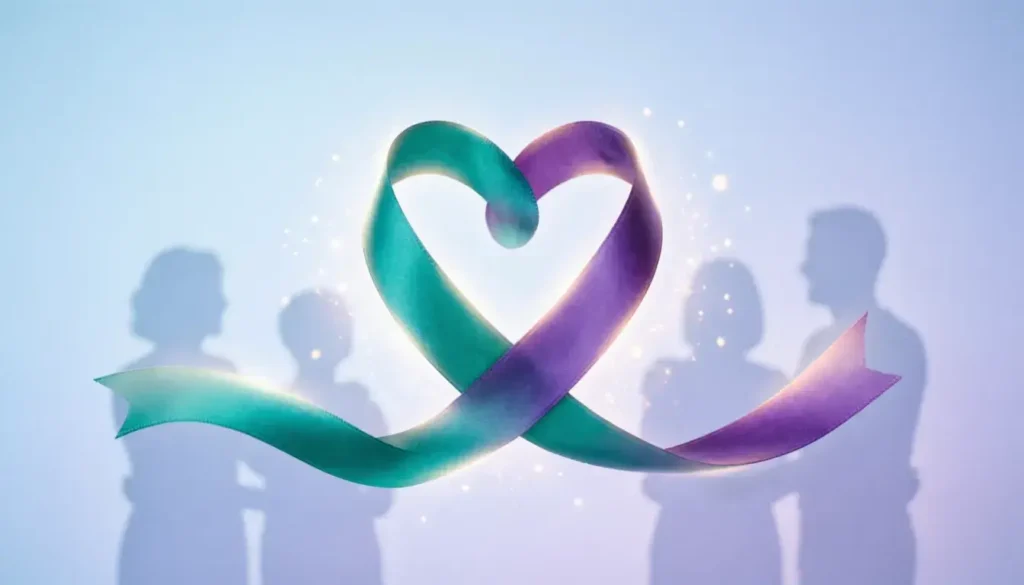
September serves as Suicide Prevention Awareness Month. Teal and purple ribbons appear throughout communities during this time. The goal is reducing stigma and encouraging help-seeking behaviors.
Mental Health Connection
Purple ribbon meaning mental health extends beyond suicide prevention. Depression, anxiety, and bipolar disorder all connect to purple ribbons. Mental health awareness has gained significant traction recently.
Breaking mental health stigma requires ongoing effort. Purple ribbons signal safe spaces for conversations. They indicate support for those struggling with invisible illnesses.
Organizations like NAMI use purple extensively in their branding. Crisis hotlines promote purple ribbon imagery. The color has become synonymous with mental wellness advocacy. Similar to understanding what OFC means in casual conversation, recognizing these symbols facilitates better communication.
Purple Combination Ribbon Meanings
| Color Combination | Primary Cause | Month |
| Blue & Purple | Rheumatoid Arthritis | October |
| Teal & Purple | Suicide Prevention | September |
| Pink & Purple | Domestic & Sexual Violence | October |
| Green & Purple | Thyroid Cancer | September |
Pink and Purple Ribbon Meaning
Pink and purple ribbon meaning addresses domestic and sexual violence. October brings these issues to light through awareness campaigns. The color pairing represents healing and strength combined.
One in four women experiences severe intimate partner violence. Men face this issue too, though less frequently. These statistics remain alarmingly high despite increased awareness.
Pink signifies compassion while purple represents courage. Together they symbolize the journey from victim to survivor. Many organizations use this combination in their advocacy materials.
Domestic Violence Awareness
Domestic violence includes physical, emotional, and financial abuse. It affects all demographics and socioeconomic levels. Children exposed to violence suffer long-term psychological effects.
Purple ribbons appear on clothing, cars, and buildings in October. Communities hold awareness walks and educational events. The visibility encourages victims to seek help and support.
Green and Purple Ribbon Meaning
Green and purple ribbon meaning relates primarily to thyroid cancer. This endocrine cancer affects the butterfly-shaped gland in your neck. September marks Thyroid Cancer Awareness Month.
Thyroid cancer rates have increased significantly over recent decades. Better detection methods partially explain this rise. Women develop thyroid cancer three times more often than men. People asking what does KMS mean show the same curiosity about understanding symbols and meanings.
Most thyroid cancers have excellent prognosis with early treatment. Surgery, radioactive iodine, and hormone therapy offer effective solutions. The green-purple combination raises awareness for this treatable condition.
Thyroid Health Education
Thyroid problems extend beyond cancer. Hypothyroidism and hyperthyroidism affect millions. These conditions cause fatigue, weight changes, and mood issues.
Regular thyroid screening catches problems early. Simple blood tests measure thyroid hormone levels. Awareness campaigns encourage people to know their thyroid health status.
Purple Ribbon Meaning Spiritual and Special Contexts
Purple ribbon meaning spiritual connects to transformation and enlightenment. Many spiritual traditions view purple as sacred. It represents the crown chakra and higher consciousness.
Purple ribbon meaning death relates to honoring lost loved ones. Memorial ribbons frequently use purple for dignity and respect. Alzheimer’s and pancreatic cancer ribbons serve this dual purpose.
Purple ribbon meaning military honors service members with Purple Hearts. The military medal recognizes those wounded or killed in action. The color purple signifies sacrifice and bravery. Understanding context helps, much like learning what rizz means requires cultural awareness.
February Recognition
Purple ribbon meaning February includes multiple observances. Teen Dating Violence Awareness Month falls in February. Purple highlights the importance of healthy relationships among young people.
February also recognizes heart disease in women. While red dominates heart health, purple appears in some campaigns. The color versatility allows multiple causes to share awareness months.
Tattoo Symbolism
Purple ribbon meaning tattoo represents permanent commitment to a cause. Many people ink ribbons to honor lost loved ones. The tattoo serves as daily reminder of awareness and advocacy.
Ribbon tattoos can include names, dates, or meaningful quotes. Placement varies from wrist to shoulder to ankle. The permanent nature shows deep personal connection to the cause. Those curious about tattoo meanings show similar interest to people wondering what FYM means in text messages.
How to Support Purple Ribbon Causes
Supporting purple ribbon causes goes beyond wearing the color. Your actions create real impact for affected communities. Multiple ways exist to get involved effectively.
Start by educating yourself about specific conditions. Understanding the challenges helps you advocate better. Share accurate information with your network regularly.
Donate to reputable organizations fighting these diseases. Research groups need funding for breakthrough treatments. Patient support organizations provide crucial services to families. Similar to understanding what GMFU means, supporting causes requires understanding their significance.
Practical Ways to Help
- Participate in awareness walks – These events raise funds and visibility
- Share social media posts – Amplify awareness messages to your network
- Volunteer your time – Organizations need help with events and operations
- Advocate for policy changes – Contact legislators about research funding
- Support affected individuals – Offer practical help to those battling illness
Your involvement makes a tangible difference. Even small actions contribute to larger movements. Choose causes that resonate personally for sustained commitment.
Respectful Ribbon Use
Using ribbons correctly shows respect for affected communities. Don’t wear ribbons as fashion statements without understanding. The symbols carry deep meaning for many people.
Research specific causes before displaying ribbons. Ensure your actions align with the community’s needs. Listen to patient advocates about appropriate representation.
Purple Ribbon Support Actions
| Action Type | Examples | Impact Level |
| Awareness | Social media posts, conversations | Medium – Education |
| Fundraising | Donations, event participation | High – Direct Support |
| Advocacy | Contacting legislators, petitions | High – Systemic Change |
| Volunteering | Event help, patient support | High – Community Building |
Frequently Asked Questions
What does a purple ribbon mean for cancer awareness?
A purple ribbon primarily represents pancreatic cancer awareness. This aggressive disease needs more research funding and early detection methods. Dark purple specifically connects to pancreatic cancer, while lighter shades might indicate general cancer support. November serves as the designated awareness month for this condition.
What is the purple ribbon meaning for mental health?
Purple ribbons represent various mental health causes and conditions. They symbolize support for depression, anxiety, and bipolar disorder. The color also connects to suicide prevention awareness, especially when combined with teal. Purple signifies the courage needed to address mental health challenges openly.
What does a blue and purple ribbon mean?
Blue and purple ribbon combinations typically represent rheumatoid arthritis awareness. This autoimmune disease causes joint inflammation and chronic pain. The color pairing distinguishes RA from other types of arthritis. Light blue and purple together can also indicate pulmonary hypertension awareness.
What is the teal and purple ribbon meaning?
Teal and purple ribbons symbolize suicide prevention and awareness campaigns. This combination addresses mental health crisis intervention and support. September is Suicide Prevention Awareness Month when these ribbons appear prominently. The colors represent hope and courage in facing mental health challenges.
What does the purple ribbon mean in February?
In February, purple ribbons often represent Teen Dating Violence Awareness. This month focuses on healthy relationships among young people. Purple highlights the importance of recognizing abusive behaviors early. The color also appears in some women’s heart health campaigns during this month.
What does a dark purple ribbon symbolize?
Dark purple ribbons specifically indicate pancreatic cancer awareness campaigns. The deeper shade distinguishes this cause from lighter purple ribbons. It can also represent domestic violence awareness in some contexts. Always check accompanying text or context to confirm the specific meaning.
Conclusion
Purple ribbon meaning extends far beyond simple decoration. These symbols represent critical health conditions and social causes. From pancreatic cancer to mental health awareness, each shade carries significance.
Understanding ribbon colors helps you support the right causes effectively. It shows respect for affected communities and their struggles. Whether teal-purple for suicide prevention or blue-purple for arthritis, context matters.
Take action beyond just wearing ribbons. Educate others, donate to research, and advocate for policy changes. Your involvement creates real impact for patients and families.
Start today by choosing one purple ribbon cause to support. Research organizations working in that area. Share information with your network and participate in awareness events. Every action counts toward better outcomes and increased awareness.