Selah Meaning: The Ancient Word That Still Puzzles Bible Readers Today
Selah meaning has confused Bible readers for centuries. You’re reading a Psalm, feeling the rhythm, and then — Selah. It just sits there. No clear explanation. No obvious translation. Just a word that seems to interrupt everything.
If you’ve ever wondered what it means, you’re not alone. Scholars, theologians, and everyday readers have debated this for thousands of years. The honest answer? There’s no single, definitive explanation. But the leading theories are fascinating — and understanding them will completely change how you read the Psalms.
This guide breaks it all down. You’ll learn what Selah means in Hebrew, in Greek, in the Bible, and even its surprising connections to Arabic. Plus, we’ll explore what it means as a name and why people still use it today.
Let’s dive in.
What Does Selah Mean? The Core Breakdown
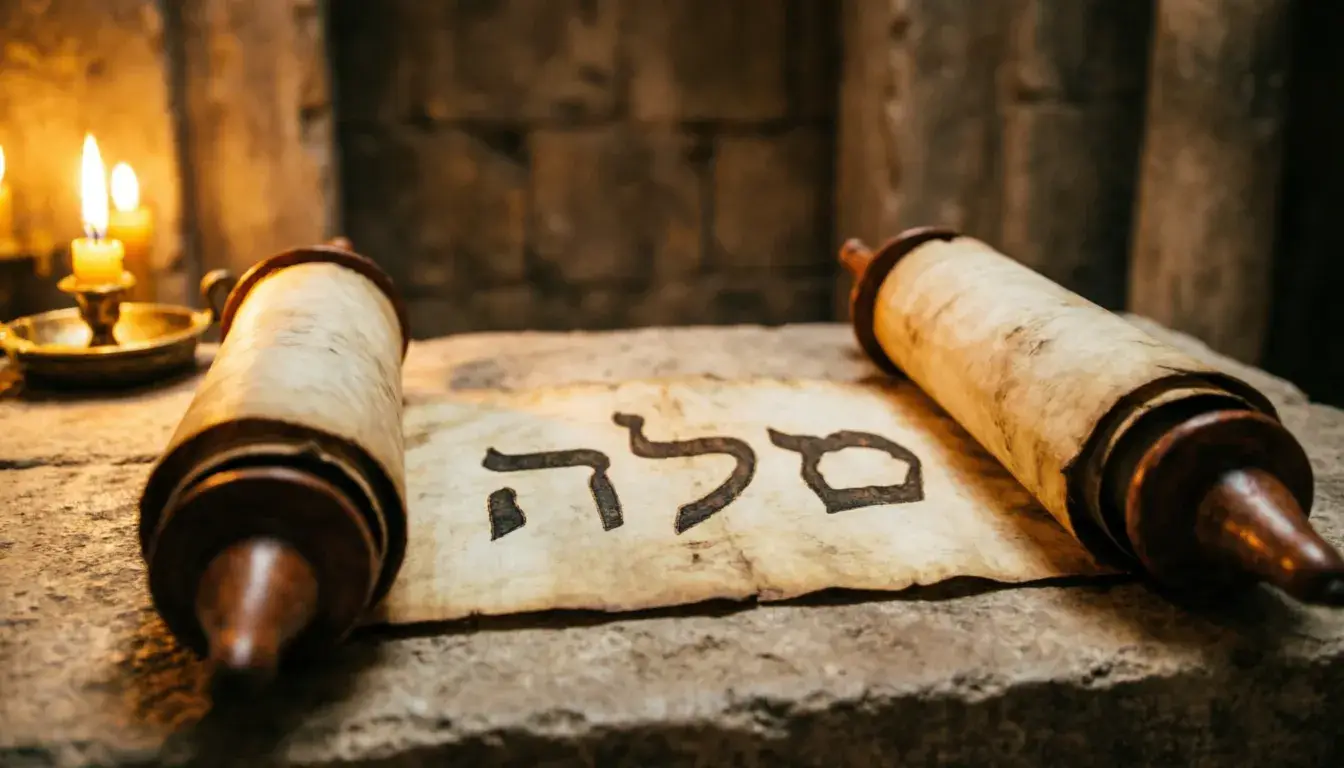
Selah (סֶלָה in Hebrew) appears 74 times in the Bible. It shows up 71 times in the Psalms and 3 times in Habakkuk. That’s it. Nowhere else in Scripture.
That limited appearance makes it even more mysterious.
The word is almost certainly a musical or liturgical instruction. The Psalms were songs. They were performed. They had structure and timing — just like modern music. Selah was likely a director’s cue.
Here are the three most widely accepted interpretations:
- Pause — A moment of silence or musical rest
- Lift up — A signal to raise the music or voice
- Forever — A declaration of something eternal and unchanging
Each interpretation carries spiritual weight. None of them is wrong, exactly. They just emphasize different aspects of the word’s function.
Selah Meaning in Hebrew
In Hebrew, selah likely comes from the root salal (סָלַל), meaning “to lift up” or “to exalt.” Some scholars connect it to sela (סֶלַע), meaning “rock” — a symbol of permanence and stability.
The “lift up” interpretation fits the Psalms perfectly. Many Selah moments follow intense declarations about God’s power or mercy. It’s as if the text says: Now lift that thought higher. Let it sink in.
Selah Meaning in Greek
The Septuagint — the ancient Greek translation of the Hebrew Bible — translates selah as diapsalma (διάψαλμα). This Greek word means “an interlude” or “a musical pause between sections.”
This strongly supports the idea that selah was a performance instruction. It marked a break in the song where musicians would play an instrumental passage. Think of it like a bridge section in modern music.
Selah Meaning in the Bible: Where It Appears and Why It Matters
Understanding selah meaning in the Bible requires looking at the context where it appears. It’s almost never random. Look at these examples:
Psalm 3:4 — David cries out to God in distress. God answers him. Then: Selah. The word invites you to stop and feel the weight of that rescue.
Psalm 46:7 — “The LORD of hosts is with us; the God of Jacob is our fortress. Selah.” Again — a pause after a massive declaration.
Habakkuk 3:9 — In the middle of a vision of God’s power over nations. Selah. Take it in.
The pattern is consistent. Selah almost always follows a key theological statement. It’s not filler. It’s punctuation with purpose.
| Location | Context Before Selah | Probable Function |
|---|---|---|
| Psalm 3:4 | God lifts David’s head | Meditative pause |
| Psalm 46:3 | Earth shaking, mountains falling | Musical interlude |
| Psalm 68:7 | God leading Israel through wilderness | Congregational reflection |
| Habakkuk 3:9 | God’s power over creation | Solemn pause |
Selah Meaning in Psalms — A Worship Leader’s Tool
The Psalms were Israel’s hymnbook. Every Psalm had a chief musician. Selah was likely their instruction — like a conductor’s hand signal.
When the chief musician saw selah, the instruments would swell. Or go silent. Either way, it was intentional. The congregation needed a moment to absorb what they’d just heard or sung.
This makes selah deeply practical. It wasn’t just poetic decoration. It was functional worship design.
Selah Meaning KJV — Why the King James Version Keeps It Untranslated
Open your King James Bible. You’ll notice something interesting. Selah isn’t translated. It’s just left as Selah — the original Hebrew word, untouched.
That’s actually a bold choice. The KJV translators knew they couldn’t pin down a single English equivalent. So they preserved the original. It’s a rare moment of scholarly humility in translation history.
Most modern translations do the same. The ESV, NIV, NASB — all keep selah intact. Some add a footnote explaining it may be a “musical term.” But no one translates it confidently.
Higgaion Selah Meaning — The Double Mystery
Psalm 9:16 contains one of the most unusual phrases in the Bible: Higgaion Selah.
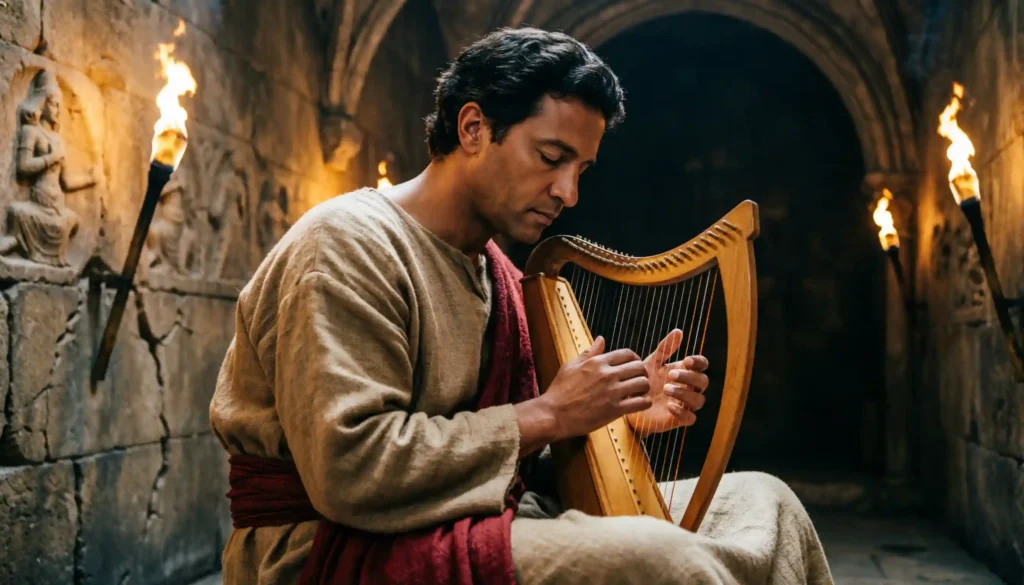
Higgaion (הִגָּיוֹן) comes from the Hebrew root meaning “to meditate” or “to murmur.” It’s sometimes associated with the sound of a harp — a low, resonant strumming.
So higgaion selah could mean: Meditate on this with music. Pause and reflect deeply.
It’s a double instruction. Both words call for inward attention. Combined, they create one of the most powerful moments of silence in all of Scripture.
Some scholars believe higgaion referred to a specific musical technique — perhaps playing softly while the congregation meditated. Then selah would signal the full pause before the next verse.
Selah Meaning in Arabic — A Surprising Connection
Arabic and Hebrew are both Semitic languages. They share roots and structure. So it’s natural to look for selah meaning in Arabic.
The Arabic root sala (صلا) relates to prayer and connection to the divine. This isn’t a direct translation, but the conceptual overlap is striking. Both languages point toward a moment of sacred pause and spiritual engagement.
Islamic scholars have noted that ritual prayer in Arabic carries a similar spirit — a deliberate, mindful interruption of ordinary time for divine focus. Selah, in this light, looks like an ancient cross-cultural instinct: stop, breathe, acknowledge the holy.
Selah Meaning as a Name — Modern Usage and Significance
This Selah as a name has become increasingly popular, especially in Christian communities. Parents choose it for its spiritual weight and musical beauty.
The name Selah meaning is typically given as:
- Pause and reflect
- Rock or foundation
- Praise
- Forever
It carries a sense of intentionality. A child named Selah is, in a sense, named after a sacred pause. A moment of depth in the middle of noise.
In 2020s naming trends, Selah ranks among the top 200 girls’ names in the United States. It’s been used by several public figures and musicians, adding to its cultural visibility.
| Name Variant | Cultural Origin | Common Meaning |
|---|---|---|
| Selah | Hebrew/Biblical | Pause, rock, praise |
| Sela | Hebrew | Rock, foundation |
| Selah | Arabic influence | Prayer, connection |
| Selah | Modern English | Reflection, eternity |
Amen and Selah — What’s the Difference?
People often compare amen selah meaning because both appear at the end of sacred statements. But they function differently.
Amen means “so be it” or “truly.” It affirms what’s been said. It’s a verbal agreement — a communal “yes.”
Selah doesn’t affirm. It pauses and it doesn’t say “yes.” It says “wait.” Let this land. Feel the weight before moving on.
Think of it this way: Amen closes a thought. Selah opens space around it.
Both serve worship. Both honor the moment. But selah is unique because it’s an invitation into silence — something rare in liturgy and even rarer in modern life.
Just as understanding word meanings shapes how we communicate — whether ancient Hebrew or modern slang like what does NP mean or what does OFC mean — knowing what selah means changes how you encounter it in the text.
Selah Meaning in English — How to Understand It Today
There’s no perfect selah meaning in English. That’s the honest truth. But the closest approximation is probably: “Pause and reflect.”
When you read Selah in your Bible today, try this:
- Stop. Don’t rush past it.
- Re-read the verse before it.
- Ask: What is God declaring here?
- Sit in silence for 10-15 seconds.
- Let the truth settle before reading on.
That practice transforms Bible reading. It turns selah from a confusing footnote into a genuine spiritual experience.
Language is powerful. Whether you’re decoding biblical terms or modern expressions like what does rizz mean or what does WTW mean, understanding what words actually mean gives you access to the full message behind them.
The same principle applies to ancient texts. When you understand selah, you read the Psalms differently. You hear the music beneath the words.
Why Selah Still Matters — Practical Applications for Today
In a world of constant noise and information overload, selah is countercultural. It’s an ancient prescription for a modern problem.
We rush through everything. Even Scripture. Even prayer.
Selah says: not yet. There’s more here. Don’t leave.
Here’s how people apply it today:
- Journaling — Write “Selah” after an important insight. Then pause before writing more.
- Prayer — Insert intentional silences after confessions or thanksgivings.
- Preaching — Some pastors pause after major points and literally say “Selah” to invite reflection.
- Meditation — Use the concept of selah as a framework for structured silence in spiritual practice.
These aren’t abstract ideas. They’re real tools used by real people who’ve found ancient wisdom surprisingly applicable to modern life.
Understanding deeper meanings — whether it’s what does KMS mean in text culture or selah in Scripture — shows how words shape thought and action across every era.
Comparison: Major Theories on Selah Meaning
| Theory | Hebrew Root | Interpretation | Scholarly Support |
|---|---|---|---|
| Musical pause | salah | Interlude/rest | High |
| Lift/Exalt | salal | Raise the music | High |
| Forever/Eternal | selah | Permanence | Moderate |
| Meditate | hagah | Silent reflection | Moderate |
| Rock | sela | Foundation/stability | Lower |
No single theory wins outright. Most scholars hold two or three simultaneously. The beauty of selah is that it holds multiple meanings without contradiction.
Frequently Asked Questions
What is the selah meaning in the Bible?
Selah appears 74 times in the Bible, mostly in Psalms. It’s likely a musical instruction meaning “pause,” “lift up,” or “reflect.” The KJV leaves it untranslated. Most scholars agree it signals a moment of meditation or musical interlude during worship.
What does selah mean in Hebrew?
In Hebrew, selah comes from roots meaning “to lift up” or “rock.” It likely instructed musicians to raise the music or the congregation to pause and reflect. The exact meaning remains debated, but “lift” and “pause” are the strongest scholarly interpretations.
What is the selah meaning in Greek?
The Greek Septuagint translates selah as diapsalma, meaning “musical interlude.” This strongly suggests selah was a performance cue — a break between sections where instrumental music would play while worshippers reflected.
What does higgaion selah mean?
Higgaion selah appears in Psalm 9:16. Higgaion means “meditation” or possibly a musical murmur (like quiet harp playing). Together, higgaion selah likely means: “Meditate deeply here. Pause with the music.” It’s a double call to inward reflection.
What does the name Selah mean?
The name Selah carries meanings like “pause,” “rock,” “praise,” and “forever.” It’s rooted in Hebrew and used widely in Christian communities. Parents choose it for its spiritual depth. It ranked among the top 200 girls’ names in the U.S. in recent years.
How is selah different from amen?
Amen affirms — it means “so be it” or “truly.” Selah pauses — it creates space for reflection. Amen closes a statement. Selah opens silence around it. Both are sacred, but they serve opposite functions in worship and scripture.
Conclusion
Selah meaning may never be fully resolved. But that’s part of its power.
It’s a word that resists easy answers. It invites you to slow down. To sit with the unknown. To let truth breathe before moving on.
Here’s what we know for certain: Selah was intentional. Purposeful. Placed after statements too important to rush past.
Whether you read it as a musical pause, a call to exalt, or a marker of eternity — it asks the same thing of you. Stop. Feel this. Don’t miss it.
The next time you read a Psalm and hit Selah, try actually pausing. Re-read the verse before it. Sit in silence for a moment. You’ll be doing exactly what ancient worshippers did thousands of years ago.
And words — ancient or modern, whether what does JFC mean or Selah in Scripture — always carry more meaning when we slow down enough to receive them. The same goes for curious expressions like what does SMD mean, what does FYM mean, or what does GMFU mean — context and intention matter every time.
Selah. Pause. Let it land.