Shabbat Shalom Meaning: Complete Guide to This Jewish Greeting
Shabbat Shalom meaning confuses many people. You hear it on Friday evenings or see it on social media. But what does it actually mean? And when should you say it?
Here’s the truth: Shabbat Shalom is more than just words. It carries deep spiritual significance. It connects millions of people worldwide to ancient traditions.
Understanding Shabbat Shalom meaning helps you respect Jewish culture. It shows cultural awareness. Plus, you’ll know exactly when and how to use this beautiful greeting.
In this guide, you’ll discover the Hebrew origins. You’ll learn biblical context. You’ll understand proper usage across different situations. Most importantly, you’ll gain insight into why this greeting matters so much.
Whether you’re learning Hebrew phrases, preparing for a Jewish event, or simply curious, this article delivers everything you need. No fluff. Just practical knowledge you can use immediately.
What Does Shabbat Shalom Mean in English?
The Shabbat Shalom meaning in English translates to “Peaceful Sabbath.” Simple, right? But there’s more depth here than meets the eye.
“Shabbat” means Sabbath. It’s the Jewish day of rest. It runs from Friday sunset to Saturday sunset. “Shalom” means peace, but it encompasses much more.
Shalom goes beyond the absence of conflict. It represents completeness, wholeness, and harmony. Think of it as total wellbeing – physical, emotional, and spiritual.
When you say Shabbat Shalom, you’re wishing someone complete peace. You’re hoping their Sabbath brings rest and renewal. It’s a blessing wrapped in a greeting. Similar to how people use modern slang like “np” to express sentiments, this phrase conveys deep meaning in simple words.
Breaking Down Each Word
- Shabbat: Derived from the Hebrew root “to cease” or “to rest.” It marks the seventh day of the Jewish week.
- Shalom: From the Hebrew root meaning “whole” or “complete.” It’s used as hello, goodbye, and peace.
- Combined meaning: A wish for complete peace and rest during the Sabbath day.
The Hebrew Origins of Shabbat Shalom
The Shabbat Shalom meaning in Hebrew connects directly to ancient biblical traditions. Hebrew is a Semitic language with over 3,000 years of history. Each word carries layers of meaning.
In Hebrew, Shabbat (שַׁבָּת) comes from “shavat” (שָׁבַת). This verb means to cease, rest, or stop working. God rested on the seventh day after creation. Jews observe Shabbat following this divine example.
Shalom (שָׁלוֹם) stems from “shalem” (שָׁלֵם), meaning complete or whole. It’s one of God’s names in Jewish tradition. When you say Shalom, you invoke divine peace.
Why Hebrew Matters for Understanding
Hebrew words pack more meaning than English translations suggest. The Shabbat Shalom Hebrew greeting isn’t just pleasant words. It carries spiritual weight.
Each Hebrew letter has numerical value. Words with same values share mystical connections. This adds depth to every Hebrew phrase. Just as expressions like “jfc” carry cultural weight, Hebrew greetings resonate through centuries of tradition.
Shabbat Shalom Meaning in the Bible
The Shabbat Shalom meaning in the Bible traces back to Genesis. God created the world in six days. On the seventh day, He rested. This established Shabbat’s foundation.
Exodus 20:8-11 commands: “Remember the Sabbath day, to keep it holy.” This makes Shabbat one of the Ten Commandments. It’s not optional for observant Jews. It’s divine law.
The Shabbat Shalom meaning in Bible emphasizes rest as sacred. Work stops completely. Jews light candles, share meals, and focus on spiritual matters. It creates a weekly sanctuary in time.
Biblical Commands About Shabbat
- Creation: God rested on the seventh day (Genesis 2:2-3)
- Commandment: “Keep the Sabbath day holy” (Exodus 20:8)
- Covenant sign: Shabbat marks the covenant between God and Israel (Exodus 31:16-17)
- Prohibition: No work allowed – including lighting fires or gathering wood
What the Bible Says About Peace (Shalom)
Peace appears throughout Scripture. Numbers 6:24-26 includes the famous priestly blessing: “The Lord bless you and keep you… and give you peace.” This connects Shabbat to divine blessing.
Isaiah 58:13-14 promises blessings for Shabbat observance. Those who honor the Sabbath receive joy and prosperity. The Shabbat Shalom explanation includes these promised blessings.
| Bible Verse | Key Message |
| Genesis 2:2-3 | God rested on the seventh day and made it holy |
| Exodus 20:8-11 | Remember the Sabbath and keep it holy |
| Exodus 31:16-17 | Shabbat is a perpetual covenant and sign |
| Isaiah 58:13-14 | Blessings promised for honoring Shabbat |
When and How to Use Shabbat Shalom as a Greeting
Understanding what Shabbat Shalom meaning entails helps you use it correctly. Timing matters. Context matters. Respect matters.
The Shabbat Shalom greeting works from Friday afternoon through Saturday evening. Don’t use it on other days. That would be like saying “Merry Christmas” in July.
Proper Timing for Shabbat Shalom
- Friday afternoon: Start using it a few hours before sunset
- Friday evening: Perfect time as Shabbat begins at sundown
- Saturday: Use throughout the day until evening
- Saturday evening: Stop after three stars appear (Shabbat ends)
How to Respond When Someone Says Shabbat Shalom
Simply say “Shabbat Shalom” back. That’s it. No complicated response needed. It mirrors common slang responses where you match the energy.
Some people add “Gut Shabbos” if they speak Yiddish. Both work fine. The key is sincerity. Mean your wish for their peaceful Sabbath.
Can Non-Jews Say Shabbat Shalom?
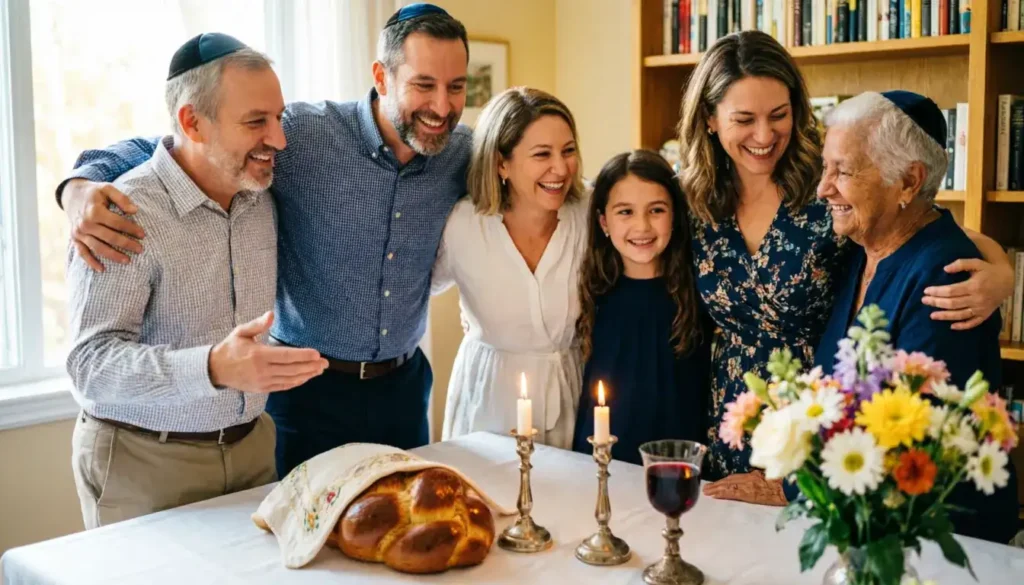
Yes, absolutely. Jews appreciate when others show cultural respect. Use it with Jewish friends, colleagues, or neighbors. They’ll likely smile and appreciate your thoughtfulness.
Just avoid using it mockingly or inappropriately. Treat it like any greeting from another culture. Respect the Shabbat Shalom meaning and significance behind the words.
Shabbat Shalom in Different Cultures and Languages
The Shabbat Shalom Jewish greeting travels across borders. Jews live worldwide. Each community adapts the greeting to local languages while preserving its essence.
Shabbat Shalom Meaning in Spanish
Spanish-speaking Jews often say “Shabat Shalom” (note the single ‘b’). The Shabbat Shalom meaning in Spanish stays the same: “Sábado de Paz” or “Peaceful Sabbath.”
Sephardic Jews from Spain and Latin America maintain this tradition. They blend Hebrew with Spanish naturally. Similar to how modern expressions like “wtw” cross languages, Shabbat Shalom adapts while keeping core meaning.
Other Language Variations
The Shabbat Shalom meaning in Hindi translates to “शब्बत शालोम” (Shabbat Shalom) with explanation as “शांतिपूर्ण सब्त” (peaceful Sabbath). Indian Jews use this in their communities.
The Shabbat Shalom meaning in Tamil appears as “ஷபாத் ஷாலோம்” among Tamil-speaking Jews. The Shabbat Shalom meaning in Malayalam and Shabbat Shalom meaning in Urdu follow similar patterns, preserving Hebrew sounds.
| Language | Translation | Pronunciation |
| Hebrew | שַׁבָּת שָׁלוֹם | shah-BAHT shah-LOHM |
| Yiddish | Gut Shabbos | GOOT SHAH-buhs |
| Spanish | Shabat Shalom | shah-BAHT shah-LOHM |
| French | Chabbat Chalom | shah-BAH shah-LOHM |
Shabbat Shalom Meaning for Christians and Non-Jews
The Shabbat Shalom meaning Christianity perspective varies. Some Christians observe Sabbath on Saturday. Most worship on Sunday instead. But the concept still resonates.
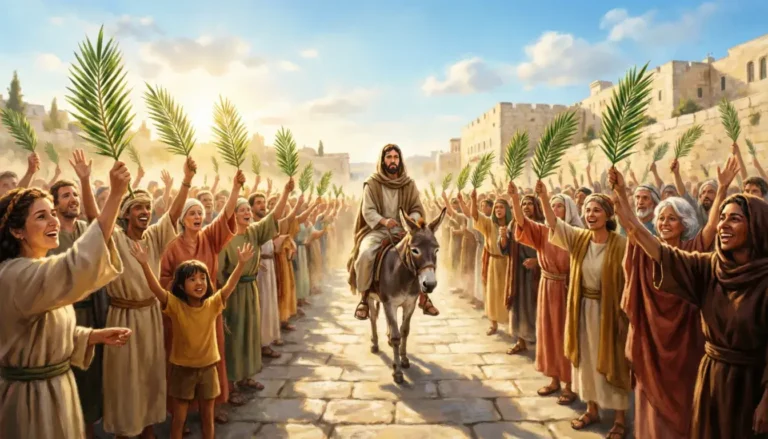
Jesus was Jewish. He observed Shabbat. Early Christians debated whether Gentile converts should keep Jewish laws. Most denominations moved Sabbath to Sunday, commemorating Jesus’s resurrection.
Christian Views on Sabbath Rest
Seventh-day Adventists keep Saturday Sabbath. They might say Shabbat Shalom naturally. Their observance closely mirrors Jewish tradition.
Messianic Jews are Jews who accept Jesus as Messiah. They maintain Shabbat observance. The greeting fits perfectly in their practice.
Most Christians respect Shabbat without personally observing it. They understand its biblical importance. Using the greeting shows interfaith respect. Think of it like understanding different expressions across communities – you don’t need to use it yourself to appreciate its meaning.
The Universal Appeal of Peace
Shalom transcends religion. Everyone wants peace. Christians, Muslims, Buddhists, and atheists all value harmony. The Shabbat Shalom meaning and origin may be Jewish, but its message is universal.
You don’t need to be Jewish to wish someone peace. You don’t need to observe Shabbat to appreciate rest. The greeting bridges communities through shared human needs.
The Significance and Traditions Behind Shabbat Shalom
The Shabbat Shalom Jewish observance involves specific rituals. These traditions bring the greeting to life. They transform words into lived experience.
Friday Evening Rituals
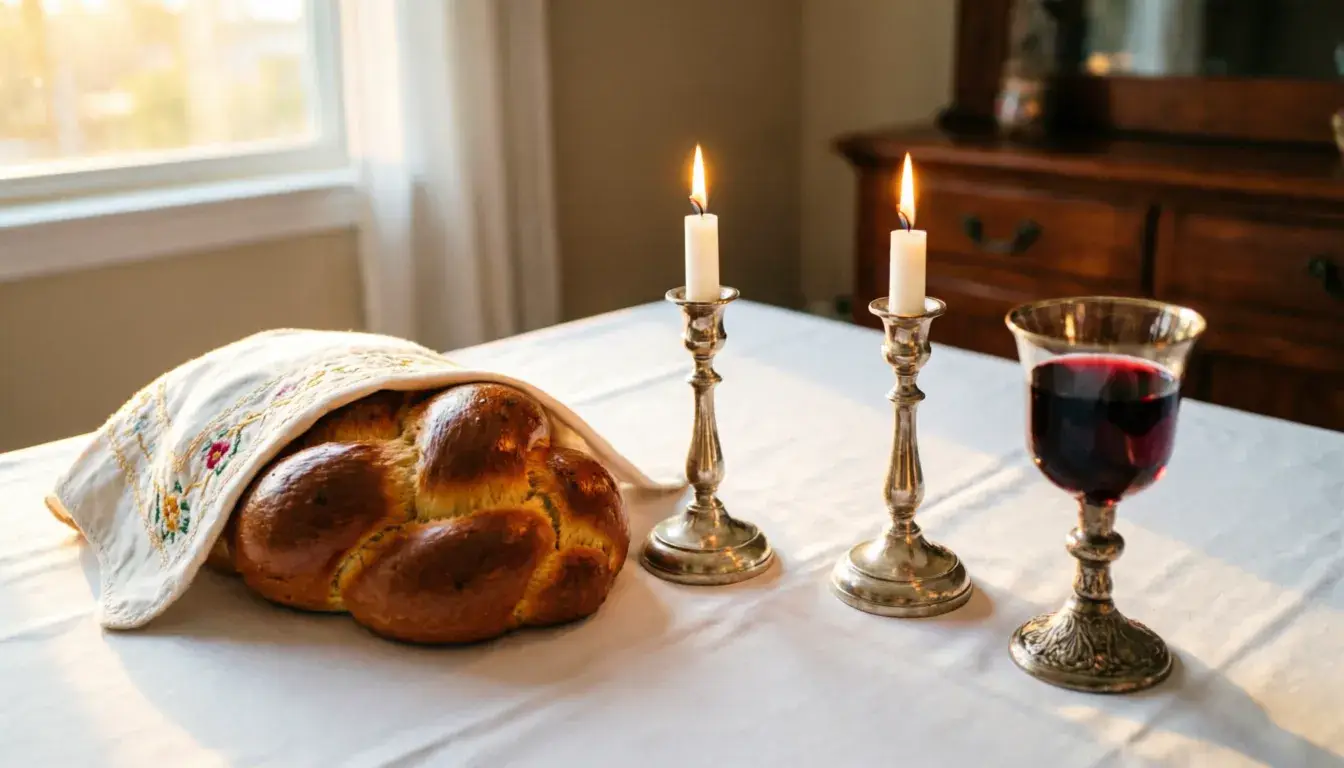
- Candle lighting: Women typically light at least two candles before sunset
- Kiddush: Blessing over wine sanctifies the day
- Challah: Two braided loaves represent manna from the desert
- Family meal: Extended dinner with traditional foods and songs
- No work: Electronics off, cars parked, complete rest begins
Saturday Activities
Shabbat morning starts with synagogue services. People walk there (no driving). They read Torah portions. They pray together.
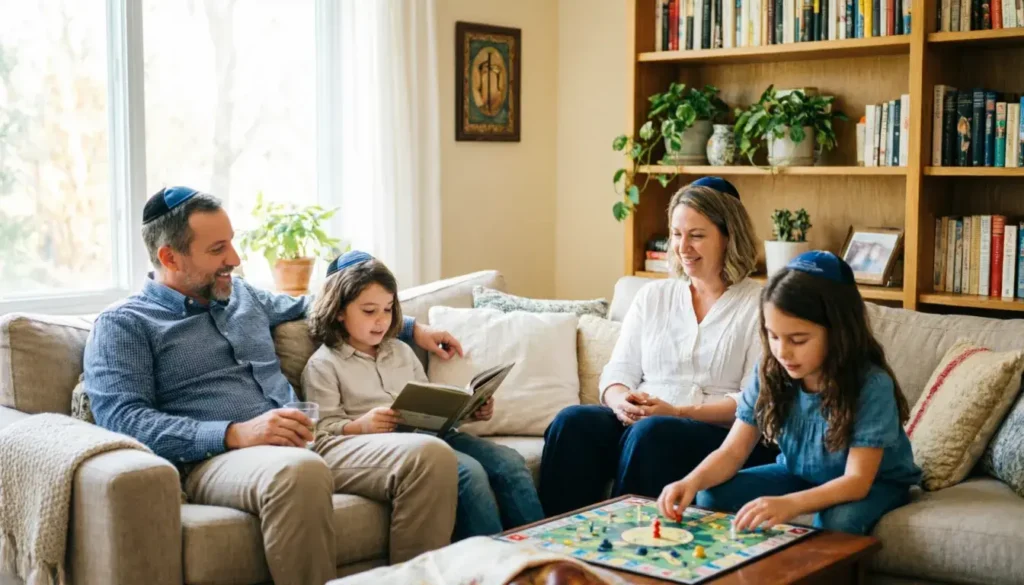
Afternoon brings rest, study, or socializing. Families take naps. Kids play games. Adults read or visit friends. The pace slows dramatically. Similar to how certain slang helps people connect casually, Shabbat creates space for deeper connection.
Evening service (Havdalah) ends Shabbat. A braided candle burns. Sweet spices pass around. Wine blessing closes the day. Then regular life resumes.
Why Shabbat Matters Today
Modern life moves fast. We’re always connected. Emails never stop. Social media demands constant attention.
Shabbat offers an alternative. One day per week with no screens. No work pressure. No rushing. Just being present with loved ones.
Many non-Jews adopt “Tech Shabbat” or “Digital Detox” days. They recognize the wisdom in scheduled rest. The Shabbat Shalom meaning becomes relevant regardless of religion.
| Shabbat Do’s | Shabbat Don’ts |
| Light candles before sunset | Use electronics or phones |
| Enjoy festive meals with family | Drive or operate vehicles |
| Attend synagogue services | Do any creative work |
| Rest and relax completely | Handle money or shop |
| Spend quality time together | Write or tear paper |
Frequently Asked Questions
What is the full Shabbat Shalom meaning?
Shabbat Shalom means “Peaceful Sabbath.” It wishes someone complete peace, rest, and spiritual wholeness during the Jewish Sabbath. Shabbat refers to the day of rest. Shalom encompasses peace, completeness, and harmony. Together, they express a blessing for sacred rest.
What does Shabbat Shalom mean in Hebrew tradition?
In Hebrew tradition, Shabbat Shalom connects to God’s creation pattern. God rested on the seventh day. Jews imitate this divine rest. The greeting acknowledges this sacred rhythm. It blesses others with the peace God intended for Shabbat. The phrase carries spiritual weight beyond simple words. Like understanding modern expressions with deeper meaning, Shabbat Shalom has layers of significance.
When should you say Shabbat Shalom?
Say Shabbat Shalom from Friday afternoon through Saturday evening. Start using it a few hours before sunset Friday. Continue through Shabbat (Saturday). Stop after three stars appear Saturday night when Shabbat ends. Don’t use it on other days. Timing matters for proper usage.
What’s the proper response to Shabbat Shalom?
Simply respond with “Shabbat Shalom” back to the person. That’s the standard response. No elaborate reply needed. You’re reciprocating the blessing. Some add “Gut Shabbos” in Yiddish-speaking communities. Both responses work perfectly. The key is sincerity in your reply. Just like responding to casual greetings naturally, match the warmth you receive.
Is Shabbat Shalom only for Jewish people?
No, anyone can say Shabbat Shalom respectfully. Non-Jews use it with Jewish friends, coworkers, or neighbors. Most Jews appreciate the cultural respect. Just use it sincerely during proper times. Don’t mock or misuse it. Understanding the Shabbat Shalom meaning and using it appropriately shows respect. Think of it as learning expressions from different communities – cross-cultural appreciation is welcomed.
What’s the difference between Shabbat Shalom and Gut Shabbos?
Shabbat Shalom comes from Hebrew. Gut Shabbos comes from Yiddish. Both mean the same thing – “Peaceful Sabbath.” Hebrew is the ancient biblical language. Yiddish developed among European Jews. Orthodox and Hasidic communities often prefer Gut Shabbos. Both greetings are perfectly acceptable and respectful.
Conclusion
Understanding Shabbat Shalom meaning opens doors to Jewish culture. You’ve learned it means “Peaceful Sabbath.” You know when to use it – Friday afternoon through Saturday evening.
The greeting carries biblical weight. It connects to God’s rest after creation and it blesses others with complete peace and wholeness. It transcends simple words.
Key takeaways: Say it during Shabbat only. Respond with the same greeting. Use it respectfully regardless of your religion. Appreciate the deep meaning behind simple words.
Shabbat offers wisdom for modern life. Rest matters. Peace matters. Disconnecting from work and technology creates space for what’s truly important.
Next time Friday arrives, try saying Shabbat Shalom to Jewish friends. Watch their faces light up. Your cultural awareness will deepen connections. Small gestures of respect make huge differences.
Remember: Words carry power. Shabbat Shalom isn’t just a greeting. It’s a blessing. It’s a reminder to find peace in our hectic lives. May you experience that peace, whether you observe Shabbat or simply appreciate its timeless message.