Upside Down Smiley Face Meaning: What This Emoji Really Says
Upside down smiley face meaning confuses millions of people every day. You see this emoji pop up in texts. Your friend sends it. Your crush uses it. But what does it actually mean?
Here’s the truth: This emoji is loaded with hidden messages. It’s not just a playful flip of the regular smile. It carries sarcasm, awkwardness, and passive-aggressive vibes. Most people miss these subtle cues completely.
Understanding this emoji can save your relationships. It helps you read between the lines. You’ll know when someone’s being genuine or throwing shade. Plus, you’ll use it correctly yourself.
In this guide, you’ll discover the real meaning behind 🙃. You’ll learn what it means from girls and guys. We’ll cover dating apps, text slang like WTW, and real-world examples. By the end, you’ll decode this emoji like a pro.
Ready? Let’s dive in.
What Does the Upside Down Smiley Face Mean?
The upside down smiley face emoji (🙃) flips the script on positive vibes. It looks happy. But it’s not.
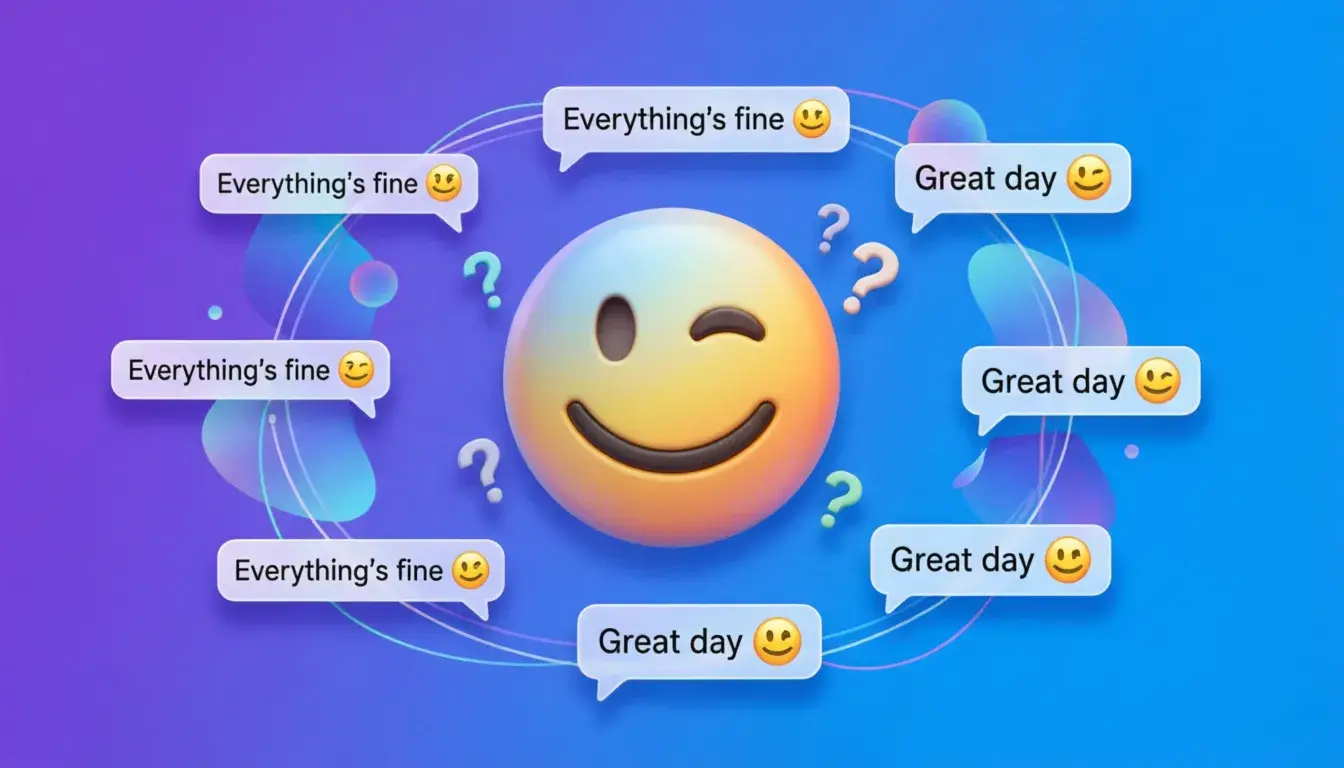
This emoji communicates irony and sarcasm. When someone says “everything’s fine” with this emoji, they mean the opposite. Things are definitely not fine. They’re pretending to be okay when they’re not.
Think of it as a verbal eye roll. It’s passive-aggressive communication at its finest. The sender wants you to read between the lines.
Here are the core meanings:
- Sarcasm: “Yeah, sure, that went great 🙃”
- Awkwardness: When situations feel uncomfortable
- Hidden frustration: Smiling through the pain
- Playful irony: Making light of bad situations
- Passive aggression: Expressing annoyance politely
The emoji emerged in 2015 with iOS 9.1. Since then, it’s become a staple of digital communication. It fills the gap between saying what you mean and saying it directly.
The Psychology Behind It
People use this emoji to soften harsh truths. It’s emotional armor. You can express negative feelings without seeming too negative.
Social media loves this emoji. It’s perfect for Instagram captions about Monday mornings. It works great when life throws curveballs. The upside down smile says “I’m dealing with it” without complaining openly.
But here’s the catch: Context is everything. The same emoji means different things in different conversations. That’s why so many people get confused.
Upside Down Smiley Face Meaning from a Girl
When a girl sends you 🙃, decode it carefully. Girls often use this emoji with multiple layers of meaning.
In casual conversation, it usually signals mild sarcasm. She’s not seriously upset. She’s just being playfully snarky. Think of it as friendly teasing.
Example:
- You: “I’ll be there in 5 minutes”
- Her: “That’s what you said 20 minutes ago 🙃”
She’s calling you out. But she’s doing it nicely. The emoji keeps it light.
In romantic contexts, this emoji gets trickier. It might mean:
| Scenario | Likely Meaning |
|---|---|
| After you cancel plans | Disappointed but not showing it directly |
| During flirty banter | Playful teasing, showing interest |
| When you say something dumb | Amused but slightly judging |
| Random text with no context | Feeling awkward or unsure |
If she’s interested in you, the upside down smiley face meaning from a girl often shows playful interest. She’s testing the waters. She wants to keep things fun and light.
But watch out for passive-aggressive usage. Sometimes girls use this emoji when they’re annoyed. They don’t want direct confrontation. The emoji lets them express frustration indirectly.
How to Tell the Difference
Check the conversation tone. Is she usually direct? Then this emoji probably signals real frustration. Is she playful and teasing? Then it’s likely just fun banter.
Look at what comes before the emoji. If she’s responding to a mistake, she’s probably annoyed. If she’s responding to a joke, she’s probably amused.
Similar to understanding what NP means in texts, context matters most.
Upside Down Smiley Face Meaning from a Guy
Guys use emojis differently than girls. The upside down smiley face meaning from a guy tends to be more straightforward.
Most common use: Acknowledging awkward situations. Guys aren’t always great with emotional expression. This emoji helps them address uncomfortable moments without deep conversation.
Example:
- “I just realized I wore two different shoes to work 🙃”
- “My ex just walked into the bar 🙃”
- “I forgot our anniversary 🙃”
He’s admitting something went wrong. The emoji shows he recognizes it. But he’s keeping it casual.
In Dating and Flirting
When a guy sends this in a dating context, here’s what it means:
Early dating stage: He’s being cautious. He doesn’t want to seem too eager. The emoji adds a layer of plausible deniability. If you don’t respond well, he can play it off as a joke.
Established relationship: He’s likely being sarcastic about something minor. Maybe you roasted him playfully. The emoji is his way of saying “touché.”
After rejection: This is the “I’m cool with it” emoji. He’s not cool with it. But he’s pretending to be. It’s his way of saving face.
Guys also use it for self-deprecating humor. When they mess up, this emoji softens the blow. It says “I know I screwed up, but I’m handling it.”
The Bro Code Version
Among guy friends, this emoji means “that’s rough, bro.” It’s sympathetic acknowledgment without getting too emotional. It keeps the masculine dynamic intact while showing support.
Just like understanding what Rizz means, knowing guy emoji usage helps decode male communication.
The Upside Down Smiley Face Meaning: Context Matters
Here’s the real secret: The emoji upside down smiley face meaning changes based on context. You can’t interpret it in isolation.
Let’s break down different scenarios:
Professional Settings
Using 🙃 at work is risky. It can seem unprofessional. But younger workplaces accept it more readily.
Safe usage:
- “Just got assigned another project 🙃”
- “Coffee machine broke again 🙃”
These acknowledge frustration without complaining directly. They show you’re a team player who can handle stress.
Avoid using it with bosses or clients. They might not understand the nuance. Stick to more neutral emojis in formal communication.
Social Media
On Instagram or Twitter, this emoji communicates relatability. People use it to share life’s annoyances without seeming whiny.
Popular uses:
- Monday morning posts
- Adulting fails
- Relatable struggles
- Self-deprecating humor
It’s the perfect caption emoji for imperfect moments.
Text Conversations
In one-on-one texting, the meaning shifts based on:
- Your relationship: Close friends interpret it differently than acquaintances
- Previous messages: What was said before the emoji?
- Their personality: Is the sender usually sarcastic?
- Time of day: Late night texts have different energy
| Context | Interpretation |
|---|---|
| After bad news | Processing something difficult |
| During argument | Passive-aggressive communication |
| Random check-in | Feeling awkward or uncertain |
| Responding to joke | Amused but slightly roasting you |
Understanding what OFC means and other text slang helps you become a better digital communicator overall.
Upside Down Smiley Face Meaning in Dating Apps
The hily app upside down smiley face meaning deserves special attention. Dating apps create unique communication dynamics.
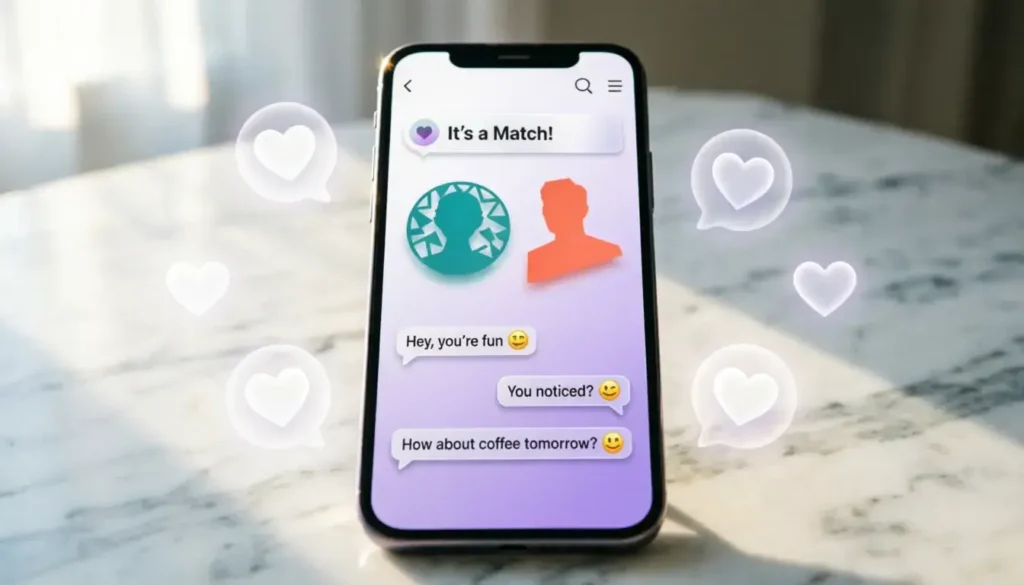
On Hily, Tinder, and Bumble, this emoji serves specific purposes:
Opening Messages
When someone uses 🙃 in their first message, they’re showing self-awareness. They know dating apps are awkward. The emoji acknowledges this mutual understanding.
Example: “So, we both swiped right 🙃”
This breaks the ice. It says “I know this is weird, but let’s embrace it.”
Profile Bios
Seeing this emoji in someone’s bio signals:
- Self-deprecating humor
- Not taking themselves too seriously
- Aware of dating app absurdity
- Probably has good banter
Flirting Usage
The upside down smiley face meaning flirting depends on delivery. It can signal interest through playful teasing.
Flirty examples:
- “You think you’re funny, don’t you? 🙃”
- “I guess I’ll give you my number 🙃”
- “Fine, I’ll let you take me to dinner 🙃”
These show interest while maintaining cool composure. The sender likes you but won’t seem desperate.
When It’s a Red Flag
Sometimes this emoji signals trouble in dating:
- After every message (might be emotionally unavailable)
- When discussing serious topics (avoiding real conversation)
- Constantly with passive-aggressive tone (communication issues)
Like recognizing what FYM means when someone’s challenging you, spotting emoji red flags matters in dating.
Urban Dictionary and Reddit: What Users Say
The upside down smiley face meaning urban dictionary definitions reveal interesting patterns. Real users share their interpretations.
Top Urban Dictionary Definitions
According to user submissions:
“The ‘I’m dead inside’ emoji”: Many define it as masking internal struggle. You’re smiling on the outside. You’re screaming on the inside.
“Passive-aggressive happiness”: Users describe it as fake positivity. You’re pretending everything’s fine when it’s not.
“The sarcasm indicator”: This ranks highest. People use it to signal they’re not being serious.
Reddit Discussions
The upside down smiley face meaning reddit threads show diverse interpretations. Different communities use it differently.
r/teenagers perspective: They see it as the ultimate mood. It represents their generation’s humor. Everything’s absurd, so why not flip the smile?
r/dating_advice threads: Users debate what it means in romantic contexts. Consensus: It’s usually playful teasing if sent early in dating.
r/AmItheAsshole discussions: When people use 🙃 in their stories, it usually precedes describing something frustrating. It’s their way of staying calm while venting.
Generational Differences
Gen Z usage: They use it ironically and frequently. It’s their default “life is chaos” emoji. They’ve made it a lifestyle.
Millennials: More strategic usage. They save it for genuinely awkward or frustrating moments.
Gen X and Boomers: Often confused by it. They might see it as just a playful smile variation. The sarcasm nuance escapes them.
Similar to what JFC means in frustrated contexts, this emoji has evolved with internet culture.
How to Respond to an Upside Down Smiley Face
Receiving 🙃 requires tactical response. Your reply sets the conversation tone.
When It’s Clearly Sarcastic
Match their energy. Use humor to acknowledge the sarcasm.
Good responses:
- “I know, right? 🙃”
- “Yeah, this is totally going great”
- “Living the dream over here”
This shows you caught their vibe. You’re on the same wavelength.
When It Seems Passive-Aggressive
Address the elephant in the room. Don’t ignore underlying frustration.
Better approach:
- “Everything okay?”
- “Did I do something to upset you?”
- “Want to talk about it?”
Direct communication beats emoji warfare. Get to the real issue.
When It’s Playful Flirting
Keep the banter going. Show you can match their playful energy.
Flirty responses:
- “Is that your way of admitting I’m right? 🙃”
- “You’re trouble, aren’t you?”
- “I’ll take that as a compliment”
This maintains the fun dynamic. It shows you’re interested too.
When You’re Unsure
Ask for clarification. It’s okay to admit confusion.
Simple approach:
- “Okay, but seriously…”
- “Wait, are you joking or…?”
- “I can’t tell if you’re messing with me”
Honest communication prevents misunderstandings. It’s better than guessing wrong.
Like understanding what SMD means in heated exchanges, knowing how to respond to emojis prevents communication breakdowns.
Common Misinterpretations to Avoid
People misread the emoji upside down smiley face meaning constantly. Let’s clear up confusion.
Mistake #1: Thinking It’s Always Positive
Wrong: “They sent a smile emoji, so everything’s good!”
Right: This emoji often signals the opposite of happiness. Look deeper.
The upside down flip is intentional. It inverts the meaning. A regular smile shows happiness. This one shows complicated feelings.
Mistake #2: Overanalyzing Every Use
Wrong: “They used 🙃 instead of 😊, they must hate me!”
Right: Sometimes it’s just a stylistic choice. Not every emoji carries deep meaning.
Some people use it as their default. It matches their personality. They prefer ironic communication over straightforward positivity.
Mistake #3: Using It in Wrong Situations
Wrong situations:
- Responding to serious bad news
- Professional emails to supervisors
- When someone shares genuine accomplishment
- During heartfelt conversations
Right situations:
- Acknowledging minor inconveniences
- Self-deprecating humor
- Playful banter with friends
- Relatable life struggles
Mistake #4: Ignoring Cultural Differences
Different cultures interpret emojis differently. What seems sarcastic to Americans might seem confusing to international friends.
Western interpretation: Usually sarcasm and irony
Asian interpretation: Might seem more cutesy or playful
European interpretation: Varies by country and age group
When texting internationally, clarify your tone. Don’t assume everyone reads emojis the same way.
Mistake #5: Forgetting Tone Doesn’t Translate
Text lacks vocal inflection. Emojis try to fill that gap. But they’re imperfect.
The same message with different emojis:
- “Great job 😊” = Genuinely positive
- “Great job 🙃” = Possibly sarcastic
- “Great job 😐” = Definitely sarcastic
Understanding what KMS means and other extreme slang helps you navigate digital communication’s complexities.
Reading Emoji Clusters and Combinations
The upside down smiley face meaning changes when combined with other emojis. Let’s decode popular combinations.
🙃😅
This combo says “awkward but trying to laugh it off.” The person feels uncomfortable. They’re using humor as a shield.
Example: “I just waved at someone who wasn’t waving at me 🙃😅”
🙃💀
Translation: “I’m dying inside.” This is peak Gen Z communication. Something is both terrible and hilarious. They’re embracing the chaos.
Example: “Rent is due tomorrow and I have $12 🙃💀”
🙃✨
The “toxic positivity” combination. Everything’s fine (it’s not). They’re manifesting good vibes through sheer will.
Example: “Another day in paradise 🙃✨”
🙃🔫
This evolved into the finger gun + upside down smile combo. It represents feeling overwhelmed but handling it. Dark humor at its finest.
Note: Some platforms changed the gun emoji to a water pistol. The meaning remains.
Common Three-Emoji Patterns
| Combo | Meaning |
|---|---|
| 🙃😭💀 | Laughing through the pain |
| 🙃👍❤️ | Passive-aggressive agreement |
| 🙃☕️💆 | Self-care after stress |
| 🙃🎉🎊 | Ironic celebration |
Understanding emoji clusters is like learning a new language. Each combination creates nuanced meaning.
Similar to what GMFU means when emotions run high, emoji combos express complex feelings quickly.
Frequently Asked Questions
Is the upside down smiley face rude?
Not necessarily. Context determines rudeness. In playful banter, it’s friendly. In serious conversations, it can seem dismissive. The emoji itself is neutral. Your intent and timing matter most. When in doubt, add clarifying words.
What does upside down smiley face mean when flirting?
In flirting, this emoji shows playful interest. It signals “I like you but I’m playing it cool.” The person is teasing you gently. They’re creating fun tension. It’s their way of flirting without seeming too eager. Respond with matching playful energy.
Does upside down smiley face mean they’re mad?
Sometimes yes, sometimes no. If they’re usually direct and suddenly use 🙃, they might be upset. The emoji acts as emotional buffer. They’re expressing frustration indirectly. But some people use it casually without negative feelings. Check previous message context.
Why do people use the upside down smiley face emoji?
People use it to express complex emotions simply. It communicates sarcasm, irony, and awkwardness in one symbol. Regular emojis feel too positive sometimes. This one matches modern communication’s nuanced nature. It’s perfect for our complicated digital age.
What’s the difference between 🙂 and 🙃?
🙂 is straightforward positivity or mild contentment. It’s the “I’m fine” emoji that actually means fine. 🙃 is ironic, sarcastic, or passive-aggressive. It’s the “I’m fine” that means the opposite. One faces reality right-side up. The other flips it.
Should I use upside down smiley face in professional emails?
Generally avoid it at work. It’s too casual for most professional settings. Use it only with coworkers you know well. Never use it with clients, bosses, or formal communications. Stick to neutral emojis or no emojis in business contexts.
Conclusion
The upside down smiley face meaning is more complex than it appears. This emoji communicates sarcasm, irony, and hidden emotions effectively. It’s the digital equivalent of a knowing look.
Key takeaways: Context always matters most. The same emoji means different things from different people. Girls often use it for playful teasing. Guys use it to acknowledge awkwardness. Dating apps see it as flirty self-awareness.
Remember these points:
- Check the conversation tone before interpreting
- Consider the sender’s personality and communication style
- Don’t overanalyze every emoji usage
- Match their energy when responding
- Ask for clarification when genuinely confused
Master this emoji and you’ll navigate digital communication better. You’ll read between the lines correctly. Your relationships will improve through better understanding.
Start paying attention to how people use 🙃 in your conversations. Notice the patterns. Soon you’ll decode it automatically. That’s when you’ve truly mastered modern communication.
Now go forth and emoji with confidence. Just remember: everything’s fine 🙃